
Cat Food Allergies: Identification and Management
If your feline companion is constantly scratching, developing skin problems, or experiencing digestive issues, cat food allergies could be the culprit. Understanding cat food allergies: identification and management is essential for every responsible cat owner who wants to ensure their pet lives comfortably and healthily. This comprehensive guide will help you recognize the signs, navigate the diagnostic process, and implement effective management strategies for your cat’s food allergies.
Understanding Cat Food Allergies in Felines
Food allergies occur when your cat’s immune system mistakenly identifies certain food proteins as threats and mounts an inappropriate defensive response. Unlike food intolerances, which primarily cause digestive upset, true food allergies trigger immune reactions that can affect multiple body systems.
According to Cornell University College of Veterinary Medicine, food allergies are the third most common type of feline allergy, ranking after flea bite allergies and environmental allergies. While relatively uncommon compared to other allergic conditions, cat food allergies affect enough cats to warrant serious attention from pet owners.
Common Allergens in Cat Food
The most frequent culprits behind cat food allergies: identification and management challenges are animal proteins—specifically beef, fish, and chicken. These three proteins account for the vast majority of food allergic reactions in cats, according to research published in the NIH database.
Contrary to popular misconceptions, grain allergies are relatively rare in cats. While cats can develop allergies to wheat, corn, or other grains, this occurs in less than 5% of food-allergic cats. Dairy products and eggs can also trigger allergies, though less frequently than the top three protein sources.
Understanding your cat’s nutritional needs helps contextualize why protein sources are such common allergens—cats are obligate carnivores, and animal proteins form the foundation of their diet.
Identifying Cat Food Allergies: Key Symptoms
Recognizing cat food allergies: identification and management begins with understanding the symptoms. Unlike environmental allergies that may follow seasonal patterns, food allergies typically cause year-round symptoms that don’t respond to antihistamines or steroid treatments designed for other allergic conditions.
Primary Symptoms of Food Allergies
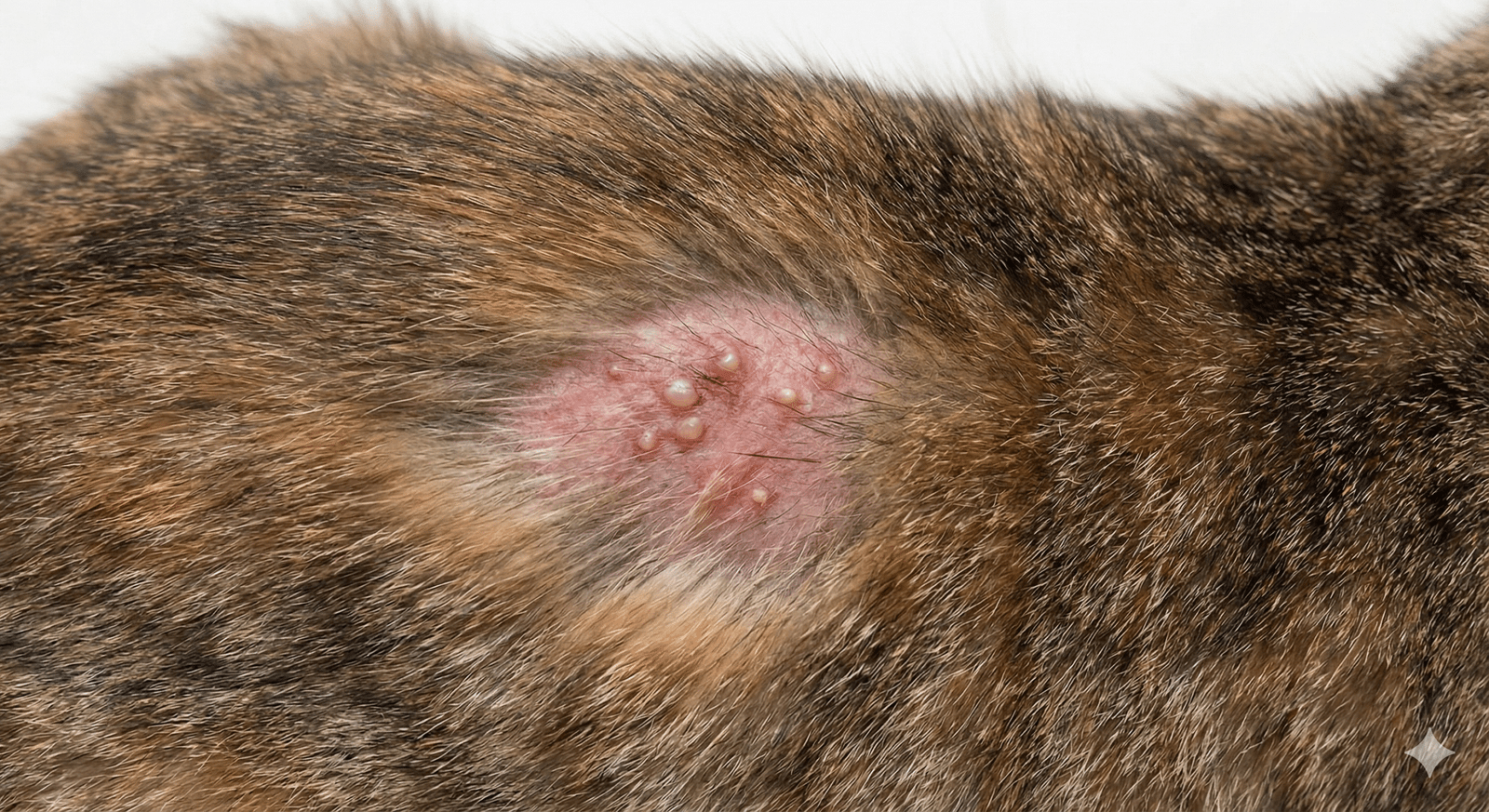
Skin-Related Signs:
- Persistent itching, particularly around the head, neck, and ears
- Small, pale, fluid-filled bumps on the skin
- Excessive grooming or self-trauma from scratching
- Hair loss (alopecia) in affected areas
- Red, inflamed skin lesions
- Chronic ear infections
Gastrointestinal Symptoms:
- Chronic vomiting
- Persistent diarrhea
- Increased frequency of bowel movements
- Weight loss despite normal appetite
- Poor coat condition
According to VCA Animal Hospitals, approximately 10-15% of cats with food allergies exhibit gastrointestinal symptoms in addition to or instead of skin problems.
Conditions That Can Mimic Food Allergies
Before assuming your cat has food allergies, it’s essential to rule out other conditions that present similarly:
- Flea allergy dermatitis – Even a few flea bites can cause severe reactions
- Environmental allergies (atopy) – Reactions to pollen, dust mites, or mold
- Parasitic infections – Internal parasites like tapeworms or external parasites
- Skin infections – Bacterial or fungal infections
- Other skin conditions – Including ringworm or immune-mediated diseases
This is why professional veterinary diagnosis is crucial. What you might see on your cat’s skin could have multiple potential causes.
The Diagnostic Process for Cat Food Allergies

Here’s the straight truth: there are no shortcuts to diagnosing cat food allergies. Despite what some companies advertise, blood tests, saliva tests, and hair tests for food allergies in cats are not accurate. According to veterinary dermatology experts, these tests frequently produce false positives and negatives, making them unreliable for diagnosis.
The only proven method for diagnosing cat food allergies: identification and management is the elimination diet trial.
Step 1: Consult Your Veterinarian
Before starting any diagnostic process, consult with your vet to rule out other causes of your cat’s symptoms. Choosing the right veterinarian for your cat’s care is the foundation of successful allergy management. Your vet will perform a thorough physical examination and may recommend tests to exclude parasites, infections, or other medical conditions.
Step 2: Implement an Elimination Diet Trial
An elimination diet trial is the gold standard for diagnosing food allergies. Here’s how it works:
Duration: The trial must last 8-12 weeks minimum. According to Royal Canin Veterinary Academy, most cats will show improvement within 8 weeks, but some require up to 12 weeks for complete resolution of symptoms.
Diet Selection: Your vet will recommend one of two approaches:
- Novel protein diet – A food containing a protein source your cat has never eaten before (such as venison, rabbit, duck, or kangaroo)
- Hydrolyzed protein diet – A prescription diet where proteins are broken down into molecules too small to trigger immune responses
Strict Compliance: This is absolutely critical—your cat can eat nothing else during the trial period:
- No treats
- No table scraps
- No flavored medications
- No access to other pets’ food
- No hunting (keep cats indoors)
Even tiny amounts of the wrong food can invalidate the entire trial and force you to start over.
Step 3: Monitor and Document Symptoms
Keep a detailed diary throughout the elimination diet trial. Note:
- Scratching frequency and intensity
- Skin condition improvements or changes
- Digestive symptoms
- Energy levels and behavior
- Any accidental exposures to other foods
This documentation will help your vet assess whether the diet trial is successful.
Step 4: The Rechallenge (Optional)
If your cat’s symptoms resolve completely during the elimination diet, your vet may recommend a “rechallenge” to confirm the diagnosis. This involves reintroducing the original diet to see if symptoms return. According to AVMA research, symptoms typically flare within 7-14 days of rechallenge in truly food-allergic cats.
Effective Management Strategies for Cat Food Allergies
Once you’ve successfully identified cat food allergies, management becomes a lifelong commitment. The good news? With proper management, food-allergic cats can live completely normal, comfortable lives.
1. Maintain a Hypoallergenic Diet
After identifying the problematic ingredients, your cat must avoid them permanently. This means:
Select appropriate commercial foods:
- Novel protein diets featuring unusual proteins (venison, rabbit, duck)
- Hydrolyzed protein prescription diets
- Limited-ingredient diets with known safe proteins
Always check ingredient lists carefully. Manufacturers sometimes reformulate products, so ingredients that were safe last year might not be this year.
Understanding what minerals and vitamins should be in your cat’s food ensures their hypoallergenic diet remains nutritionally complete.
2. Consider Homemade Diets (With Professional Guidance)
Some owners opt for homemade cat food to maintain complete control over ingredients. However, this requires:
- A recipe formulated by a veterinary nutritionist
- Careful attention to nutritional completeness
- Consistent preparation and ingredient sourcing
- Regular veterinary monitoring
Never create a homemade diet without professional guidance—nutritional deficiencies can cause serious health problems.
3. Support Skin and Coat Health
While avoiding allergens is the primary treatment, additional support can help:
Omega-3 Fatty Acid Supplementation: Research supports that omega-3 fatty acids from fish oil can help reduce inflammation, support skin barrier function, and improve coat quality. Learn more about fatty acids in your cat’s diet.
Regular Grooming: Gentle brushing removes allergens from the coat and helps you monitor skin condition.
Environmental Management: Maintain a clean living environment to minimize additional irritants that could compound skin problems.
4. Monitor for Secondary Complications
Food-allergic cats who have been scratching extensively may develop:
- Bacterial skin infections requiring antibiotic treatment
- Yeast infections requiring antifungal therapy
- Chronic ear infections needing specialized care
Regular veterinary visits help catch these complications early.
5. Manage Multi-Cat Households
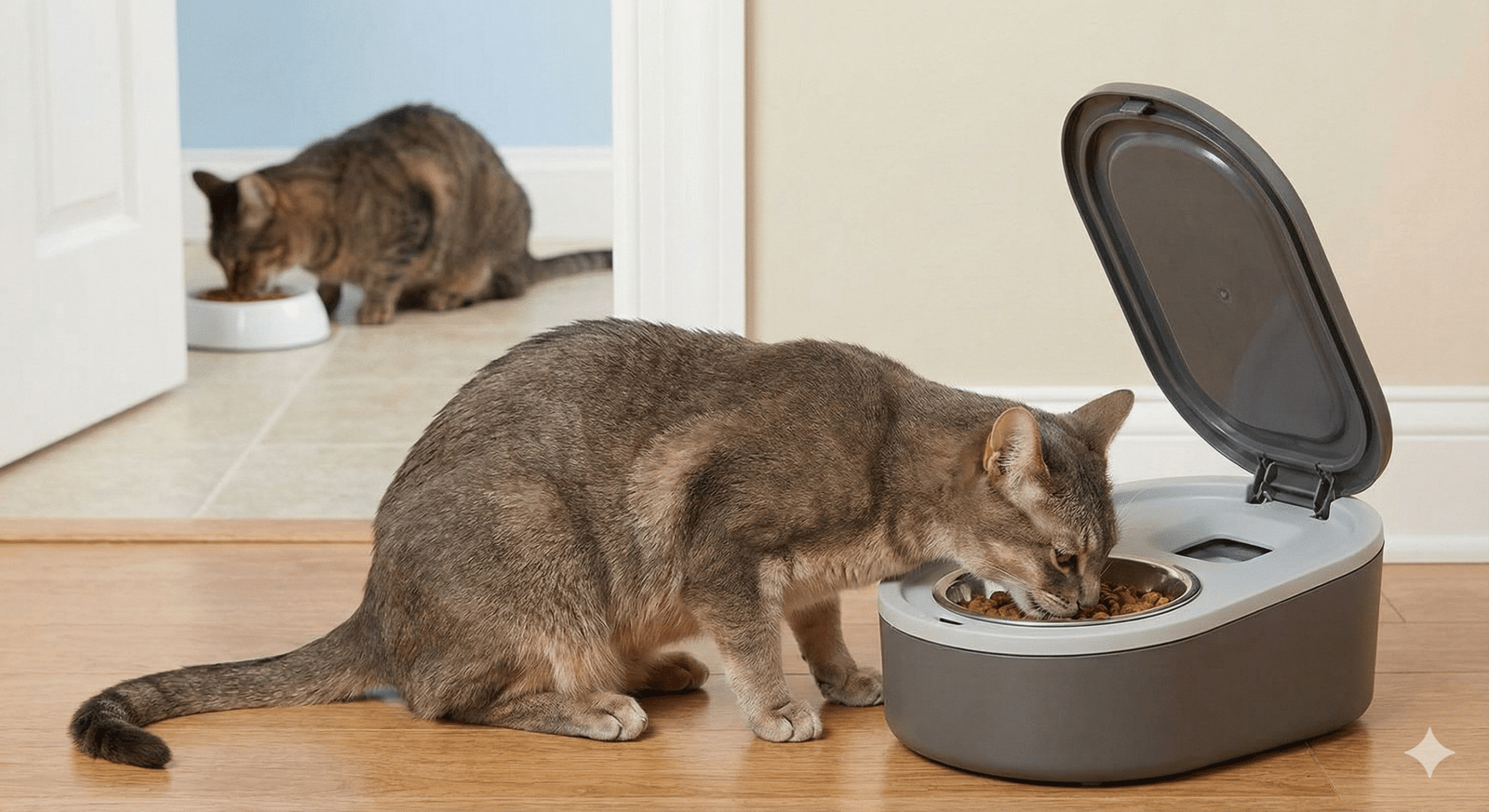
If you have multiple cats, feeding a food-allergic cat requires extra planning:
- Feed cats in separate rooms
- Use feeding stations the allergic cat cannot access
- Consider feeding all cats the hypoallergenic diet (if appropriate)
- Supervise meal times to prevent food stealing
When to Seek Emergency Veterinary Care
While most food allergy symptoms develop gradually, seek immediate veterinary attention if your cat shows:
- Severe, sudden-onset vomiting or diarrhea
- Difficulty breathing or rapid breathing
- Swelling of the face, lips, or throat
- Collapse or severe weakness
- Signs of severe pain
These symptoms could indicate a severe allergic reaction or an unrelated emergency condition requiring immediate treatment. Understanding how to recognize pain in cats can help you identify when something is seriously wrong.
Frequently Asked Questions About Cat Food Allergies
Can cat food allergies develop suddenly?
Yes. Cats can develop food allergies to ingredients they’ve eaten safely for years. The immune system may become sensitized to a particular protein over time, eventually triggering an allergic response. There are no true age predispositions—food allergies can develop in kittens, adult cats, or senior cats.
Are certain cat breeds more prone to food allergies?
According to NIH research, there are no confirmed breed predispositions for food allergies in cats. While older literature suggested Siamese cats might be at slightly higher risk, this hasn’t been definitively proven. Any cat, regardless of breed, can develop food allergies.
How long does it take for symptoms to improve after changing food?
Most cats show significant improvement within 8-12 weeks of starting an appropriate elimination diet. However, complete resolution may take longer, and some secondary skin issues (like infections) may require additional treatment before you see full improvement.
Can food allergies be cured?
No. Food allergies are a lifelong condition. There is no cure—only management through strict dietary avoidance of the offending ingredients. The good news is that cats who avoid their allergens typically remain symptom-free indefinitely.
What’s the difference between food allergies and food intolerance?
Food allergies involve an immune system response and typically cause skin symptoms along with possible digestive issues. Food intolerance is a non-immune reaction, usually causing only digestive symptoms like vomiting or diarrhea without skin involvement. Cat diarrhea and vomiting can have many causes beyond food issues.
Can I use over-the-counter allergy medications for my cat?
Never administer any medication without veterinary approval. Many over-the-counter allergy medications designed for humans are toxic to cats or inappropriate for food allergies. Always consult your veterinarian before giving your cat any medication.
Will switching to grain-free food help my cat’s food allergies?
Not necessarily. Since grains cause allergies in fewer than 5% of food-allergic cats, switching to grain-free food is unlikely to help unless grain is specifically identified as your cat’s allergen. The marketing around grain-free diets often exceeds the scientific evidence. Focus on identifying and avoiding the actual allergen rather than following trends.
Conclusion: Living Well With Food-Allergic Cats
Understanding cat food allergies: identification and management empowers you to give your feline friend the best quality of life possible. While the diagnostic process requires patience and the management demands vigilance, the reward—a comfortable, healthy cat free from constant itching and digestive distress—makes the effort worthwhile.
Remember these key points:
- Food allergies in cats primarily cause skin problems, with beef, fish, and chicken being the most common culprits
- Elimination diet trials (8-12 weeks) are the ONLY reliable diagnostic method
- Blood, saliva, and hair tests for food allergies are not accurate
- Lifelong dietary management through strict avoidance is essential
- With proper management, food-allergic cats live completely normal lives
Work closely with your veterinarian throughout the diagnostic and management process. Their expertise, combined with your dedication and attention to detail, creates the foundation for successfully managing your cat’s food allergies. Don’t hesitate to seek specialist referral to a veterinary dermatologist if your cat’s case is complex or not responding to initial management.
For more information about feline health and nutrition, explore additional resources at PDSA and the Royal College of Veterinary Surgeons.
Understanding your cat’s unique dietary needs and maintaining proper weight management alongside allergy management ensures your feline companion thrives for years to come.