
Are Cat Window Perches Safe? Expert Guide to Installation & Fall Prevention
Cat window perches offer your feline companion the perfect vantage point to watch the world outside while enjoying sunlight and mental stimulation. However, understanding cat window perches and safety is crucial to prevent serious injuries. This comprehensive guide covers everything you need to know about choosing, installing, and maintaining safe window perches for your cat in 2025.
Why Cat Window Perches and Safety Matter
Window perches provide essential environmental enrichment for indoor cats, offering mental stimulation and reducing stress and anxiety. According to the American Association of Feline Practitioners, providing elevated viewing spots meets cats’ natural instincts and significantly improves their quality of life.
However, improper installation or unsuitable products can lead to falls resulting in high-rise syndrome—a veterinary term for injuries sustained from falls of two stories or higher. The ASPCA reports that cats falling from windows suffer shattered jaws, punctured lungs, broken limbs, and pelvises—sometimes with fatal consequences.
The Benefits of Cat Window Perches
Understanding the advantages helps you appreciate why cat window perches and safety go hand in hand:
Mental Stimulation and Enrichment Window perches provide visual entertainment through bird-watching and observing outdoor activity. This natural stimulation helps prevent behavioral problems caused by boredom in indoor environments.
Stress Reduction Elevated viewing spots give cats a sense of security and control over their territory. Research from The Refined Feline shows that window perches significantly reduce stress markers in indoor cats.
Physical Exercise Jumping on and off perches provides low-impact exercise for lazy felines, supporting healthy weight management and joint mobility.
Sunlight Exposure Natural light helps regulate cat sleeping patterns and supports vitamin D synthesis, contributing to overall wellness.
Choosing Safe Cat Window Perches: Critical Factors
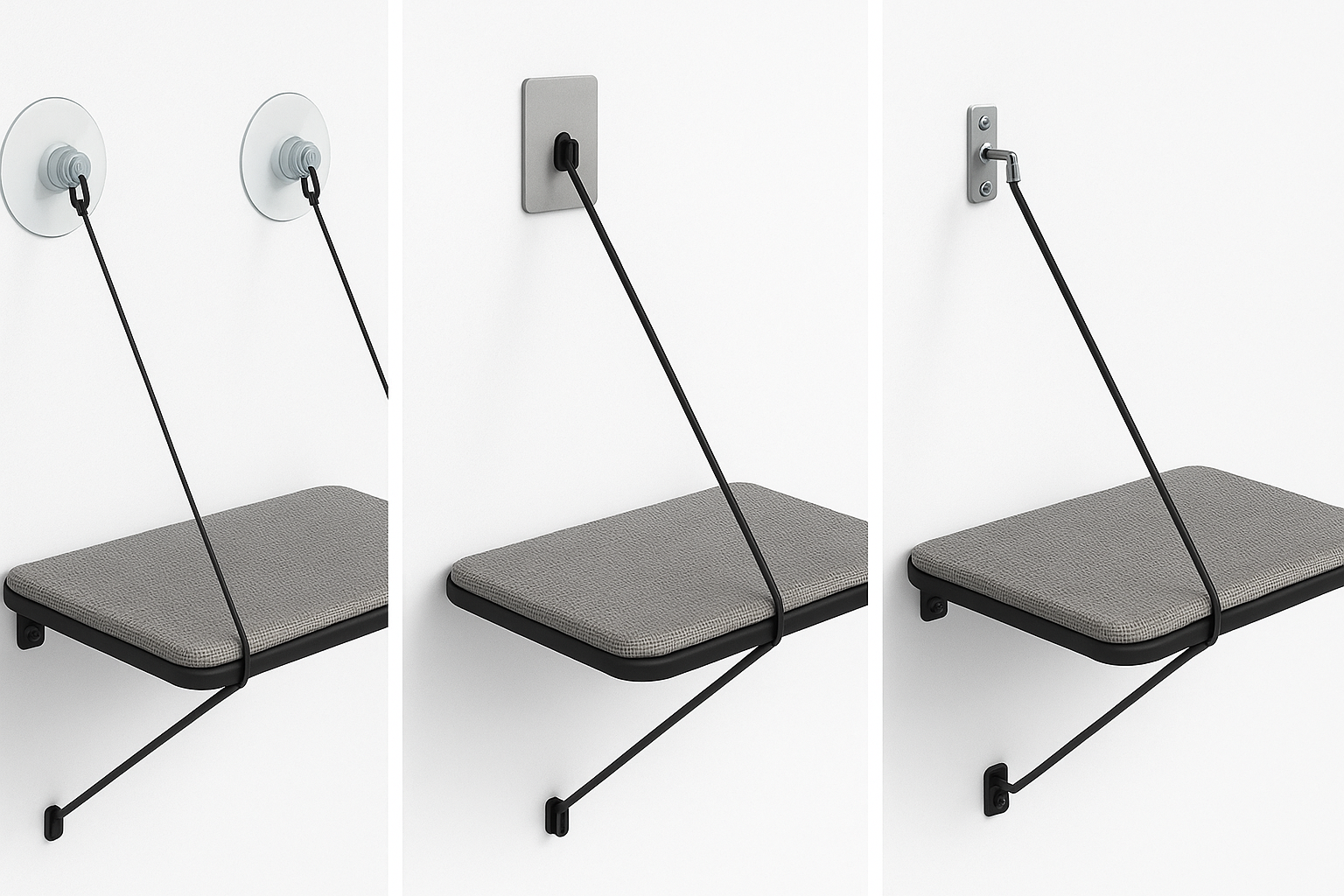
When selecting window perches, prioritize these safety considerations:
Weight Capacity Requirements
Never exceed manufacturer weight limits. Standard perches support 20-35 pounds, while heavy-duty models accommodate up to 44 pounds. According to Viva Essence Pet’s 2025 safety guide, most standard perches are designed for cats up to 10-12 pounds, making it essential to verify specifications before purchase.
Critical warning: If you have multiple cats, remember that perches designed for single-cat use become dangerous when two cats share the space simultaneously. The combined weight often exceeds safety thresholds.
Attachment Methods: Understanding the Risks
Suction Cup Perches (HIGHEST RISK) Suction cups are the most failure-prone mounting method. Pet Play Essentials research reveals common failure causes:
- Temperature fluctuations weakening adhesion
- Humidity degrading rubber seals
- Microscopic dirt preventing proper seal
- Natural degradation over time
Safety protocol for suction cups:
- Inspect daily for loss of grip
- Clean window surface weekly with rubbing alcohol
- Replace suction cups every 6-12 months
- Avoid use on textured or tinted glass
- Never use for cats over 15 pounds
Bracket-Mounted Perches (RECOMMENDED) Permanently mounted brackets offer superior stability. These perches attach with screws or bolts, distributing weight across multiple mounting points for maximum safety.
Adhesive Strips Less reliable than brackets but more secure than suction cups. Suitable only for lightweight cats (under 10 pounds) and require proper surface preparation.
Material Quality and Construction
Select perches made from:
- Solid wood or reinforced metal for structural integrity
- Non-toxic materials that won’t harm cats if chewed
- Weather-resistant fabrics if near frequently opened windows
- Padded surfaces for comfort during extended lounging
Wula Planet’s safety standards guide recommends industrial-grade construction with reinforced stress points for maximum durability.
Installation: Cat Window Perches and Safety Best Practices
Proper installation is non-negotiable for preventing accidents:
Step 1: Assess Your Window
Before purchasing, evaluate:
- Window type: Double-hung, casement, or sliding
- Frame material: Wood, vinyl, or metal
- Opening mechanism: How the window operates
- Outdoor hazards: Branches or ledges that might encourage jumping
- Sun exposure: Direct sunlight duration and intensity
Step 2: Prepare the Surface
For suction cup perches:
- Clean glass thoroughly with rubbing alcohol
- Dry completely (moisture prevents adhesion)
- Apply suction cups at room temperature
- Press firmly and hold for 30 seconds
- Wait 24 hours before allowing cat access
For bracket mounts:
- Use a stud finder to locate secure mounting points
- Mark drilling locations with a level
- Pre-drill pilot holes to prevent splitting
- Use appropriate anchors for wall material
- Tighten hardware to manufacturer specifications
Step 3: Stability Testing
Before allowing your cat near the perch:
- Apply downward pressure exceeding your cat’s weight
- Test from multiple angles
- Shake gently to check for movement
- Inspect all connection points for gaps
- Verify no wobbling or shifting occurs
According to K&H Pet Products, this testing phase prevents 90% of perch-related injuries.
Critical Safety Issue: Window Screens Are NOT Enough
WARNING: Standard window screens provide FALSE security.
The most dangerous misconception about cat window perches and safety is believing regular insect screens protect cats from falls. Rover’s cat-proofing guide confirms that standard screens are designed to keep bugs out—NOT keep cats in.
Why Regular Screens Fail
Standard window screens:
- Tear easily under cat weight and claws
- Pop out of frames when pushed
- Provide no structural resistance
- Give owners false confidence in safety
Pet-Proof Screen Solutions
If your window perch is near openable windows, you MUST install:
Professional pet screens like Phifer PetScreen—seven times stronger than standard screens, tear and puncture-resistant
Window guards or grilles with bars spaced maximum 4 inches apart to prevent cats from squeezing through
Reinforced mesh systems specifically designed for pet households with heavy-duty vinyl-coated polyester construction
The Preventive Vet emphasizes that secured windows are the primary defense against high-rise syndrome.
Temperature Management for Cat Window Perches
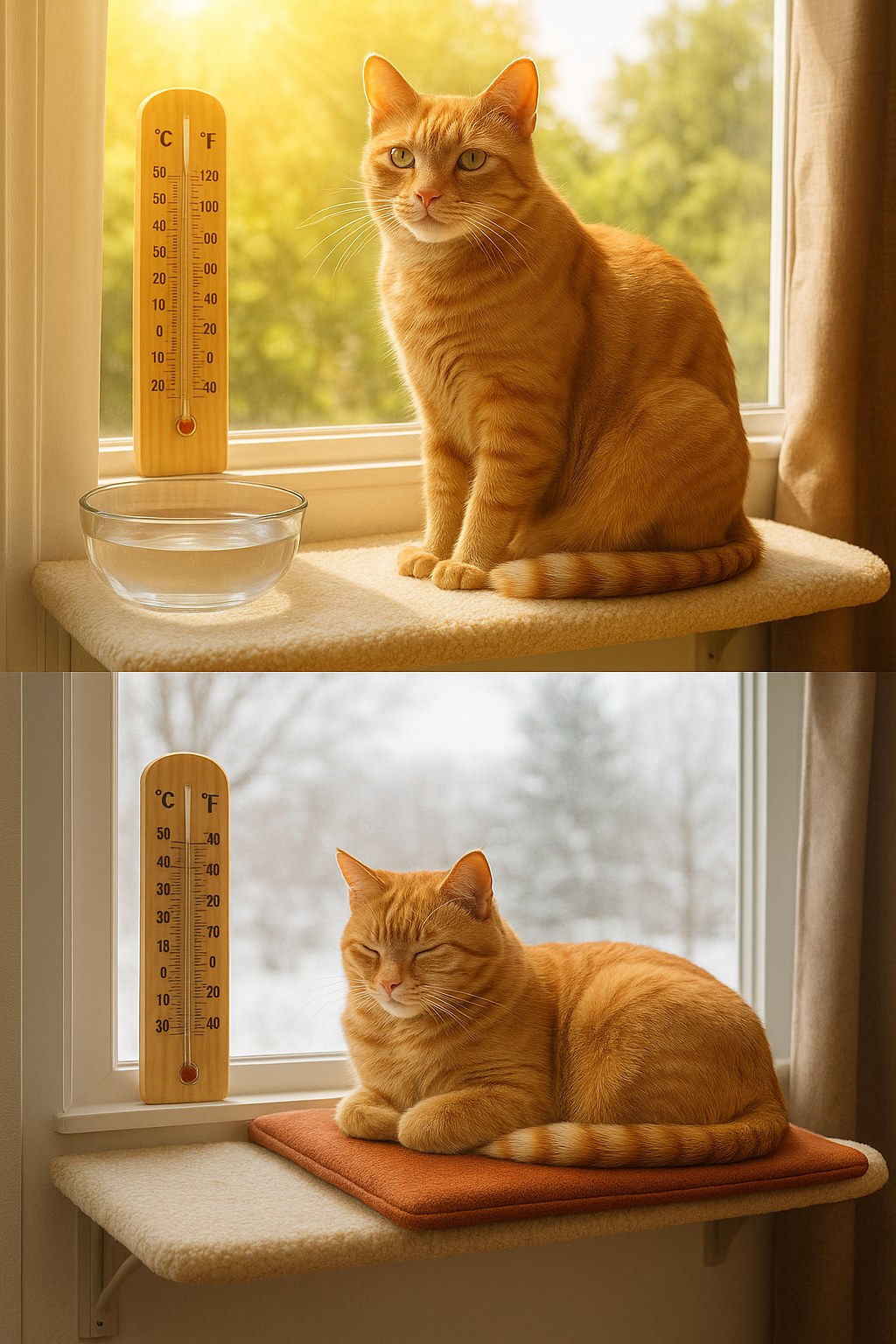
Temperature regulation is a crucial aspect of cat window perches and safety that’s often overlooked.
Overheating Risks
Cats can overheat when:
- Outdoor temperatures exceed 85-90°F (29-32°C)
- Direct sunlight creates hot microclimates through glass
- Perches lack airflow or shade alternatives
- Senior cats with mobility issues cannot move to cooler spots
Signs of overheating according to PetMD:
- Excessive panting
- Lethargy and weakness
- Drooling
- Rapid heartbeat
- Glazed eyes
- Vomiting
Cold Weather Considerations
During winter months:
- Check for drafts around window frames
- Provide fleece or heated pad options
- Monitor cats who sleep on perches during cold weather
- Ensure access to warmer resting spots
Temperature Safety Protocol
- Install perches where cats can move between sun and shade
- Provide multiple resting locations throughout your home
- Use curtains or blinds to control direct sunlight
- Keep fresh water accessible near perches
- Monitor outdoor temperature and adjust window access accordingly
Ongoing Maintenance and Inspection
Cat window perches and safety require regular maintenance:
Weekly Checks
- Inspect suction cups for loosening
- Clean mounting surfaces
- Check for wear on fabric or padding
- Remove accumulated fur or debris
- Verify structural integrity
Monthly Inspections
- Examine all mounting hardware for rust or loosening
- Test stability as during initial installation
- Replace worn components immediately
- Check for weight-related stress on mounting points
Replacement Schedule
- Suction cups: Every 6-12 months
- Fabric covers: When showing wear or damage
- Entire perch: Every 3-5 years or when structural concerns arise
Wula Planet recommends documenting inspection dates to maintain consistent safety protocols.
What to Do If Your Cat Falls
Despite precautions, accidents can happen. Understanding high-rise syndrome response is critical:
Immediate Actions
- Stay calm to avoid frightening your cat further
- Restrict movement if possible without causing additional stress
- Contact your veterinarian immediately—even if your cat appears uninjured
- Transport carefully using a secure carrier
Why Veterinary Care Is Always Necessary
According to PetMD’s high-rise syndrome guide, internal injuries may not be immediately visible. Cats can suffer:
- Internal bleeding
- Lung contusions
- Broken bones (often not obvious)
- Shock (which may appear hours later)
The American Red Cross emphasizes that professional assessment is essential after any fall from height.
Alternatives to Window Perches
If window perches aren’t suitable for your living situation, consider these alternatives for cat enrichment:
Cat Trees with Multiple Levels Provide vertical space for climbing and observation away from windows, offering similar benefits without fall risks.
Wall-Mounted Shelves Create a “cat highway” around rooms, giving cats elevated viewing options with permanent installation security.
Enclosed Catios Safe outdoor access through screened enclosures, combining window perch benefits with actual outdoor experiences. Learn more about creating cat-friendly outdoor spaces.
Bird Feeders Outside Windows Position feeders to attract birds for cat entertainment without requiring perches, especially useful for households with multiple cats where perch sharing creates safety concerns.
Special Considerations for Different Cat Life Stages
Kittens and Window Perches
Young kittens under 12 weeks generally shouldn’t use elevated window perches. Their coordination is still developing, increasing fall risks. Wait until your kitten demonstrates confident jumping and landing before introducing perches.
Senior Cats and Safety
Older cats with arthritis or mobility issues need:
- Lower perch heights
- Easier access routes (stairs or ramps)
- Extra-padded surfaces
- More frequent monitoring for overheating
Large Cat Breeds
Maine Coons and other large breeds require:
- Heavy-duty construction rated for 40+ pounds
- Bracket mounting (never suction cups)
- Wider perch platforms
- Professional installation verification
FAQs: Cat Window Perches and Safety
Are cat window perches safe for all cats? When properly installed and matched to your cat’s size, window perches are generally safe. However, kittens under 12 weeks, senior cats with mobility issues, and cats over 35 pounds require special considerations. Always follow manufacturer weight limits strictly.
How often should I replace suction cup window perches? Suction cups degrade over time and should be replaced every 6-12 months. However, bracket-mounted perches offer superior long-term safety and don’t require frequent replacement. For maximum safety, consider upgrading to permanent mounting systems.
Can standard window screens prevent my cat from falling? No—this is a dangerous misconception. Standard screens tear easily and pop out under pressure. You must install pet-proof screens specifically designed to withstand cat weight and claws, such as Phifer PetScreen or similar reinforced products.
What should I do immediately if my cat falls from a window perch? Contact your veterinarian immediately, even if your cat appears fine. Internal injuries from high-rise syndrome may not be visible but can be life-threatening. Transport your cat carefully in a secure carrier and avoid unnecessary movement.
Are heated window perches safe? Quality heated perches with automatic shut-off features and chew-resistant cords can be safe. However, monitor temperature settings to prevent overheating, ensure electrical safety standards compliance, and supervise initial use to verify your cat’s comfort.
Conclusion: Prioritizing Cat Window Perches and Safety
Cat window perches significantly enhance your indoor cat’s quality of life by providing mental stimulation, exercise opportunities, and connection to the outside world. However, safety must always come first.
Key takeaways for cat window perches and safety:
- Choose perches rated well above your cat’s weight
- Install pet-proof screens—never rely on standard screens
- Use bracket-mounted systems for cats over 15 pounds
- Monitor temperature to prevent overheating
- Inspect mounting hardware weekly
- Contact your vet immediately after any fall
By following these evidence-based safety guidelines, you can confidently provide your cat with a secure, enriching window perch experience. Remember that proper installation and ongoing maintenance are non-negotiable aspects of responsible cat ownership.
For more information about creating a safe, enriching environment for your cat, explore our guides on cat-friendly home improvements and understanding your cat’s behavioral needs.
External Resources: