Cat Cold Symptoms and Home Care: Your Complete UK Guide
When your beloved feline companion starts sneezing and showing signs of illness, it’s natural to worry. Understanding cat cold symptoms and home care can help you provide comfort while knowing when professional veterinary attention is necessary. This comprehensive guide covers everything UK cat owners need to know about feline upper respiratory infections, from recognizing early warning signs to providing effective home treatment.
Understanding Cat Cold Symptoms: What to Watch For
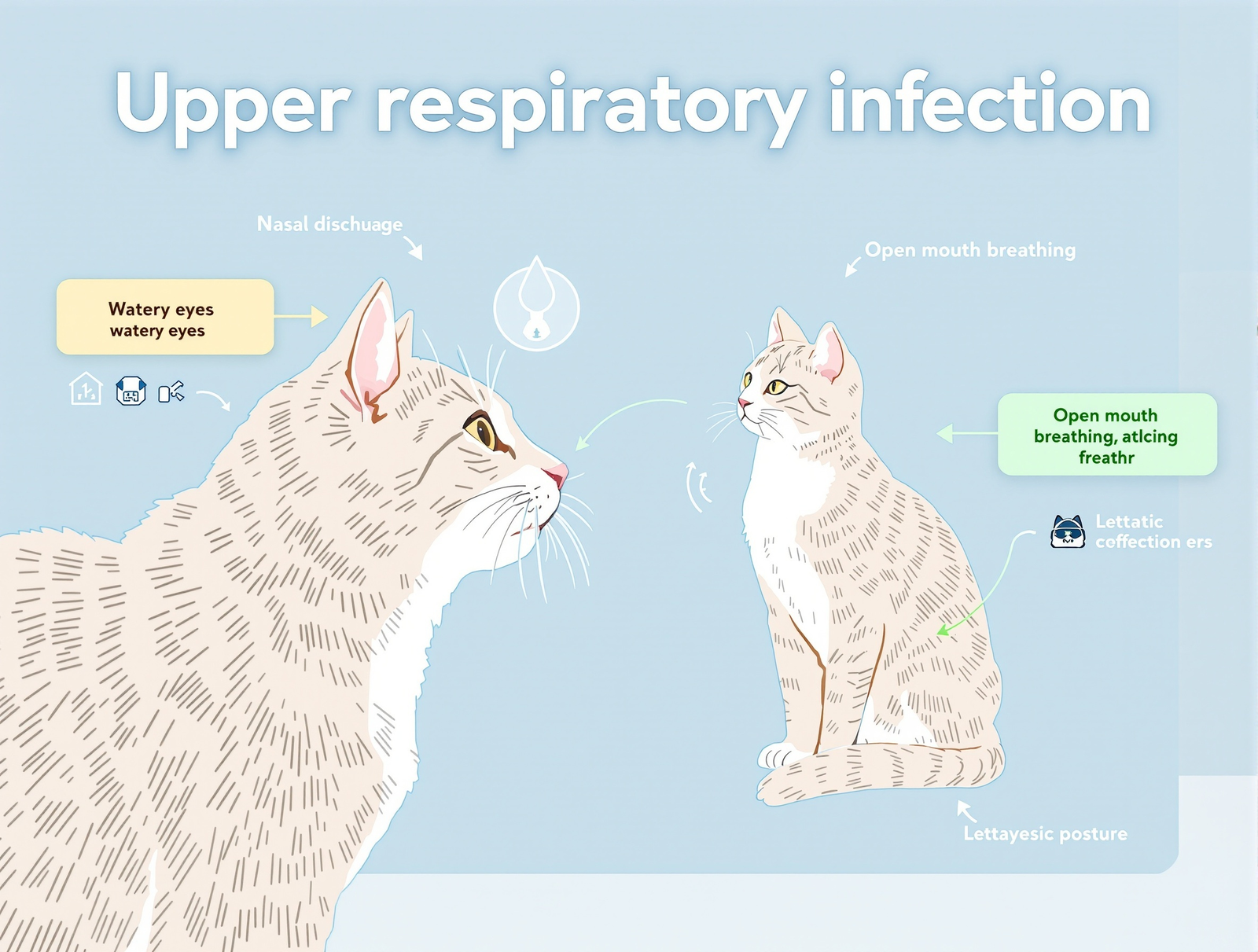
Feline upper respiratory infections (URIs), commonly called “cat colds,” are among the most frequent health issues affecting cats. Recognizing cat cold symptoms early can make a significant difference in your pet’s recovery and comfort level.
Common Cat Cold Symptoms
Your cat may display several telltale signs when suffering from a respiratory infection:
Primary Symptoms:
- Sneezing: Frequent sneezing indicates your cat is attempting to clear nasal passages
- Nasal Discharge: Initially clear, the discharge may become yellow or green if a secondary bacterial infection develops
- Watery Eyes: Excessive tearing often accompanies other cold symptoms
- Coughing: While less common than in humans, cats with URIs may develop a cough
- Congestion: Difficulty breathing through the nose due to blocked airways
Behavioral Changes:
- Lethargy: Noticeable decrease in activity and energy levels
- Loss of Appetite: Reduced food intake due to inability to smell properly
- Hiding Behavior: Cats instinctively seek solitude when unwell
- Reduced Grooming: Less interest in maintaining their usual grooming routine
Physical Signs:
- Fever: Elevated body temperature indicating the immune system is fighting infection
- Mouth Ulcers: Some viral infections cause painful sores in the mouth (according to Cornell University College of Veterinary Medicine)
If you notice these symptoms intensifying or your cat seems to be in pain, immediate veterinary consultation is essential.
What Causes Cat Colds?
Understanding the root causes of cat cold symptoms helps with both treatment and prevention strategies.
Viral Culprits
Approximately 90% of feline upper respiratory infections are caused by two primary viruses:
- Feline Herpesvirus (FHV-1): The most common cause, responsible for symptoms including sneezing, nasal discharge, and eye problems
- Feline Calicivirus (FCV): Often causes mouth ulcers alongside typical cold symptoms (VCA Animal Hospitals)
Risk Factors
Certain conditions increase susceptibility to cat colds:
- Multi-cat households: Close contact facilitates virus transmission
- Boarding facilities: Exposure to other cats increases infection risk
- Stress: Moving house or environmental changes can trigger outbreaks (learn more about cat behavior after moving house)
- Poor nutrition: Weakened immune systems are more vulnerable
- Lack of vaccination: Unvaccinated cats have higher infection rates
- Kittens and senior cats: Age-related immune system vulnerabilities
Cat Cold Symptoms and Home Care: Effective Treatment Strategies

Most healthy adult cats recover from mild upper respiratory infections with proper home care. Here’s how to help your feline friend feel better.
1. Create a Warm, Comfortable Environment
Ensure your cat has a cozy, draft-free resting area with soft bedding. Maintaining a comfortable ambient temperature helps the immune system focus on fighting infection rather than regulating body temperature.
2. Use Cool-Mist Humidifiers for Congestion Relief
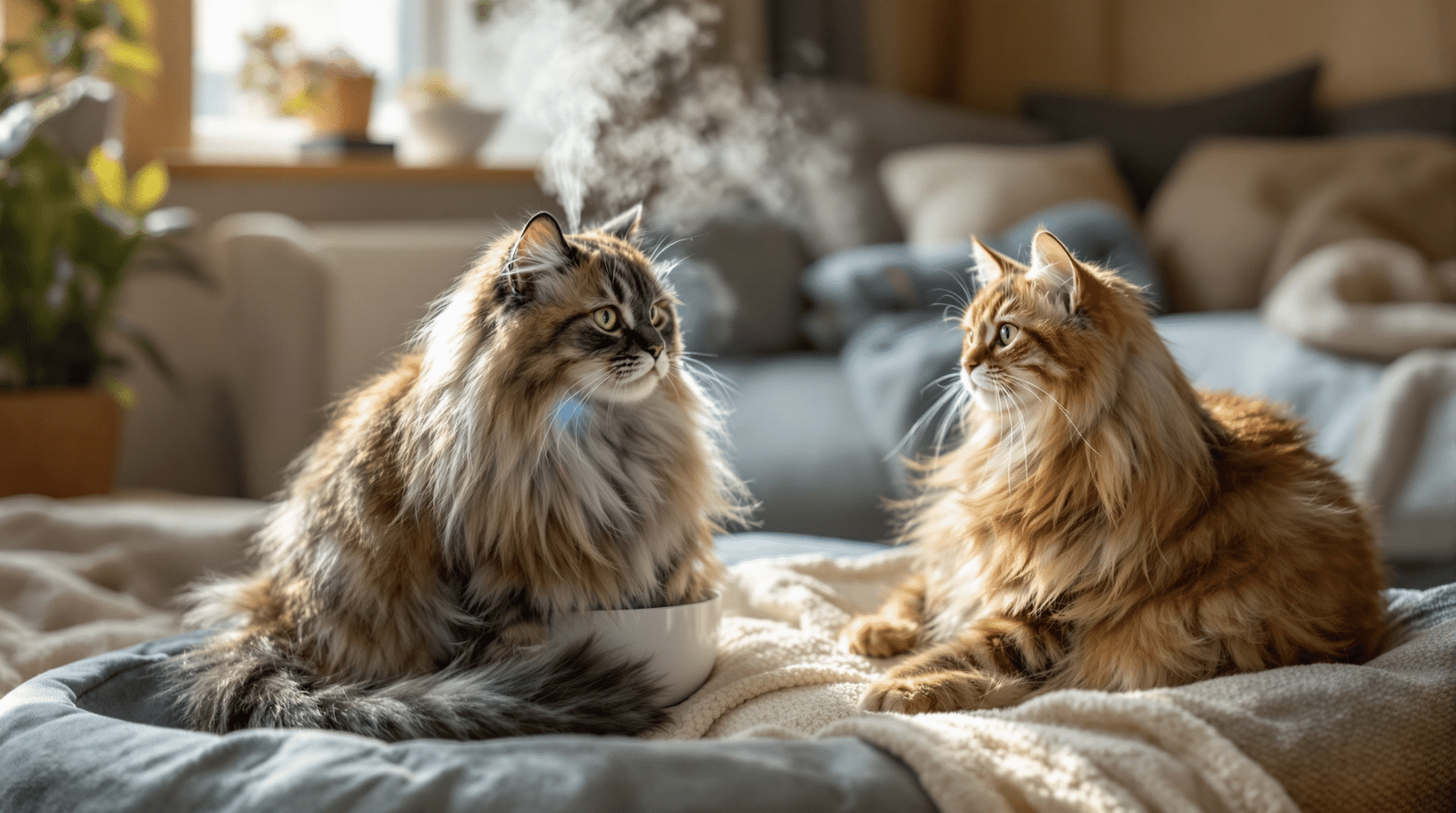
Steam therapy is highly effective for relieving nasal congestion in cats. However, safety is paramount:
- Use cool-mist humidifiers rather than warm-mist versions to eliminate burn risks
- Place the humidifier near your cat’s resting area
- Alternatively, bring your cat into the bathroom while running a hot shower for 10-15 minutes
- Never add essential oils, Vicks VapoRub, or other additives to the water—these can be toxic to cats (recommended by veterinary sources)
3. Encourage Proper Hydration
Cats with respiratory infections may drink less due to feeling unwell:
- Keep fresh water readily accessible in multiple locations
- Offer wet food to increase fluid intake
- Consider using a cat water fountain to encourage drinking
- Warm the food slightly to release enticing aromas if appetite is reduced
Understanding your cat’s nutritional needs becomes especially important during illness recovery.
4. Offer Warm, Aromatic Food
Congestion impairs your cat’s sense of smell, which directly affects appetite:
- Gently warm wet food to body temperature (never hot)
- Choose strong-smelling options like fish-based foods
- Offer small, frequent meals rather than large portions
- Hand-feeding may encourage reluctant eaters
5. Maintain a Stress-Free Environment
Stress hampers immune function and slows recovery. Understanding cat anxiety causes and calming techniques can help:
- Minimize loud noises and household disruptions
- Provide hiding spots where your cat feels secure
- Maintain consistent daily routines
- Offer gentle affection if your cat seeks it, but respect their need for solitude
6. Isolate Sick Cats in Multi-Cat Households
Cat colds are highly contagious between felines:
- Separate the sick cat in a comfortable room with food, water, and litter box
- Wash hands thoroughly after handling the infected cat
- Disinfect food bowls, toys, and bedding regularly
- Keep isolation in place until symptoms fully resolve
If you’re introducing a new cat to your household, always quarantine them initially to prevent disease transmission.
7. Monitor Symptoms Closely
Track your cat’s condition daily:
- Note any changes in discharge color or consistency
- Monitor eating and drinking habits
- Observe energy levels and behavior
- Record body temperature if possible
- Document symptom progression
When to Seek Veterinary Care
While many cat colds resolve with home care, certain situations demand professional attention from your veterinarian:
Emergency Warning Signs:
- Difficulty breathing or labored respiration
- Complete loss of appetite for 24-48 hours
- Severe lethargy or unresponsiveness
- Yellow or green nasal discharge indicating secondary bacterial infection (PetMD confirms)
- High fever that persists beyond 24 hours
- Dehydration signs (dry gums, skin tenting, sunken eyes)
Special Populations Requiring Faster Intervention:
- Kittens under 6 months: Immature immune systems make them vulnerable to rapid deterioration
- Senior cats over 10 years: Age-related immune decline increases complication risks
- Cats with chronic conditions: Diabetes, kidney disease, or other illnesses compromise recovery
- Immunocompromised cats: FIV or FeLV positive cats need immediate veterinary support
How Long Do Cat Cold Symptoms Last?
Recovery timelines vary based on infection severity and your cat’s overall health:
- Mild cases: 7-10 days with proper home care
- Moderate cases: 1-2 weeks for complete symptom resolution
- Severe cases: Up to 6 weeks, particularly with complications
- Typical uncomplicated URI: 7-14 days, occasionally extending to 21 days (Trudell Animal Health research)
If symptoms persist beyond two weeks without improvement, veterinary consultation is essential to rule out complications or underlying conditions.
Can Humans Catch Cat Colds?
Good news for concerned cat owners: you cannot catch a cold from your cat. The viruses causing feline upper respiratory infections (herpesvirus and calicivirus) are species-specific and don’t transmit to humans (The Spruce Pets confirms).
Similarly, your cat cannot contract human cold or influenza viruses from you. However, maintaining good hygiene—washing hands after handling sick cats—prevents spreading infection between your cats.
Critical Safety Warning: Never Give Human Medications
Never administer human cold medications to your cat without explicit veterinary authorization. Many over-the-counter drugs are extremely toxic to felines:
- Acetaminophen (Paracetamol): Can cause fatal liver failure and respiratory collapse in cats
- Ibuprofen and Aspirin: Cause severe stomach ulcers and kidney damage
- Decongestants: Contain ingredients toxic to feline cardiovascular and nervous systems
- Cough suppressants: Dosing intended for humans can poison cats (Merck Veterinary Manual warning)
Even a single dose of human medication can have devastating consequences for cats. Always consult your veterinarian for safe, feline-appropriate treatments.
Preventing Cat Colds: Proactive Protection
While complete prevention isn’t always possible, these strategies significantly reduce infection risk:
Vaccination
Core vaccinations protect against the most common URI viruses. Discuss appropriate vaccination schedules with your veterinarian, especially important before spaying or neutering.
Stress Reduction
Chronic stress weakens immune defenses. Create a calm home environment with:
- Consistent routines
- Safe hiding spaces
- Adequate resources in multi-cat households
- Environmental enrichment (explore cat exercise ideas)
Proper Nutrition
A balanced diet supports robust immune function. Learn about cat weight management and healthy diet tips to optimize your cat’s nutritional intake.
Hygiene Practices
- Regular cleaning of food and water bowls
- Frequent litter box maintenance (understanding litter box problems)
- Washing hands between handling multiple cats
- Disinfecting shared spaces and toys
Quarantine New Cats
Always isolate new additions for 1-2 weeks while monitoring for illness signs before introducing them to resident cats.
Frequently Asked Questions About Cat Cold Symptoms and Home Care
Q: How can I tell if my cat’s cold is serious? A: Yellow or green nasal discharge, difficulty breathing, refusal to eat for more than 24 hours, or severe lethargy indicate your cat needs immediate veterinary attention.
Q: Can indoor cats get colds? A: Yes. Even indoor-only cats can develop URIs from dormant viruses (many cats carry herpesvirus from kittenhood) that activate during stress, or from exposure to new cats, contaminated items, or human clothing carrying virus particles.
Q: Should I clean my cat’s nose and eyes? A: Yes, gently. Use soft, damp cotton wool to carefully remove discharge from around the nose and eyes. Use a fresh piece for each eye to prevent cross-contamination. Never insert anything into the nostrils.
Q: Will my cat’s cold go away on its own? A: Many mild cases resolve within 7-10 days with supportive home care. However, cats with persistent symptoms, secondary infections, or underlying health issues require veterinary treatment.
Q: Can I prevent my other cats from catching the cold? A: Isolation is the most effective prevention. Separate the sick cat, practice strict hygiene, and disinfect shared items. However, in close-contact households, some transmission risk remains even with precautions.
Q: Are certain cat breeds more susceptible to colds? A: Flat-faced breeds (Persians, Exotic Shorthairs) may experience more severe symptoms due to their facial structure. Understanding your specific cat breed characteristics helps anticipate potential health concerns.
Conclusion: Caring for Your Cat Through Cold Recovery
Understanding cat cold symptoms and home care empowers you to provide comfort and support during your feline companion’s illness. Most healthy cats recover fully from mild upper respiratory infections with proper home treatment—warm environments, cool-mist humidification, adequate hydration, and stress reduction.
However, never hesitate to contact your veterinarian if symptoms worsen, persist beyond two weeks, or if your cat belongs to a vulnerable population (kittens, seniors, or immunocompromised cats). Early professional intervention prevents complications and ensures the best possible outcome.
Remember, while you provide excellent home care, maintaining regular veterinary visits remains essential for your cat’s long-term health and wellbeing. Your veterinarian can provide personalized guidance based on your cat’s specific needs and health history.
For more comprehensive information about feline health and wellness, explore our guides on common cat poisons in the home and understanding cat territorial behavior to create a safer, healthier environment for your beloved pet.