Recognizing Pain in Cats: Subtle Signs Every Owner Must Know
Understanding when your feline companion is experiencing discomfort represents one of the most challenging yet crucial aspects of responsible cat ownership. Unlike dogs that may whimper or yelp, cats have mastered the art of concealing their suffering—an evolutionary survival mechanism that can work against them in domestic settings. This comprehensive guide will help you identify recognizing pain in cats through subtle behavioral shifts that often go unnoticed.
Why Recognizing Pain in Cats Is Critical for Their Health
Cats instinctively hide pain as a survival strategy inherited from their wild ancestors. In nature, showing vulnerability makes animals targets for predators. According to VCA Animal Hospitals, this hardwired behavior means “it is a cat’s instinct to hide or mask its pain,” making early detection challenging but essential.
Early pain recognition offers three vital benefits:
- Timely veterinary intervention prevents minor issues from escalating into serious health crises
- Improved quality of life through appropriate pain management and treatment
- Stronger human-animal bond as you demonstrate attentive, responsive care
Research shows that cats experiencing chronic pain often suffer silently for months before owners recognize the problem, leading to unnecessary suffering and more complex treatment requirements.
Common Causes of Pain in Cats
Before diving into recognizing pain in cats, understanding potential pain sources helps you stay vigilant:
Musculoskeletal Issues
- Arthritis and degenerative joint disease (affects up to 90% of cats over 12 years)
- Injuries including sprains, fractures, or muscle strains
Dental Problems
- Periodontal disease (present in most cats by age 3)
- Tooth resorption lesions
- Gingivostomatitis and oral infections
Internal Conditions
- Gastrointestinal disorders causing abdominal pain
- Urinary tract infections or blockages
- Organ dysfunction (kidney, liver disease)
Post-Surgical Pain
- Recovery from spaying/neutering procedures
- Following any surgical intervention
If your cat shows signs of anxiety alongside other symptoms, pain could be the underlying cause.
Recognizing Pain in Cats: Behavioral Changes to Monitor
1. Personality and Social Interaction Shifts

One of the earliest indicators when recognizing pain in cats involves changes in typical behavior patterns.
Increased Aggression A normally gentle cat that suddenly hisses, swats, or bites when touched may be experiencing localized pain. According to PetMD, this defensive aggression often protects painful areas from contact.
Withdrawal and Hiding Cats in pain frequently retreat to quiet, secluded spaces—under beds, in closets, or behind furniture. This behavior intensifies as discomfort increases.
Reduced Social Engagement If your typically affectionate cat stops greeting you, avoids lap time, or ignores other pets, pain may be the culprit. This withdrawal represents a significant red flag in recognizing pain in cats.
2. Grooming Habit Alterations
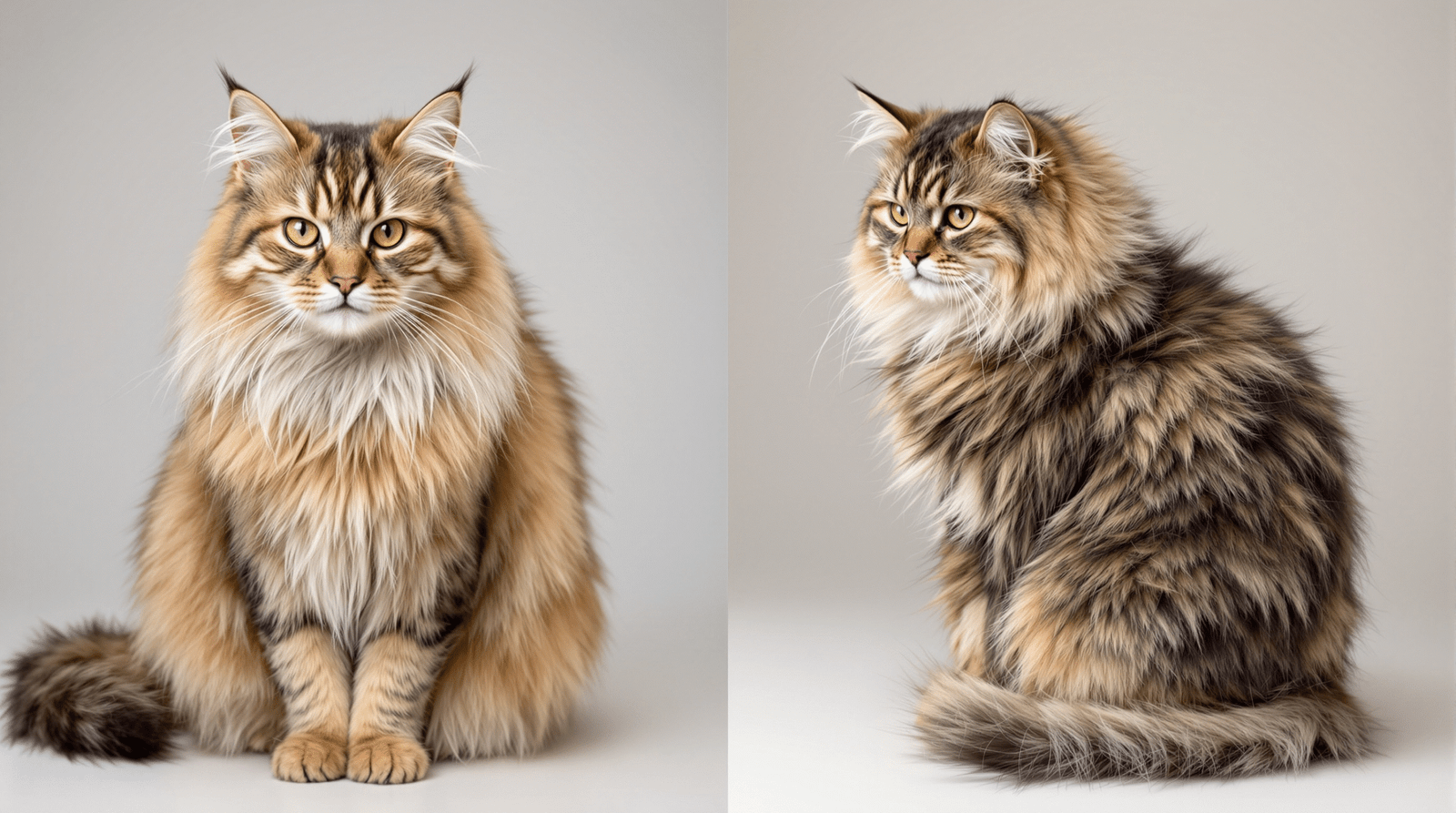
Cats are meticulous self-groomers, making grooming changes particularly telling when recognizing pain in cats.
Over-Grooming Specific Areas Excessive licking, biting, or grooming of one location often indicates localized pain or discomfort. This can lead to hair loss, skin irritation, or skin problems requiring veterinary attention.
Neglecting Self-Care Painful cats may stop grooming entirely, resulting in matted fur, unkempt coats, or greasy appearance—particularly around the hindquarters when arthritis limits mobility.
3. Changes in Eating and Drinking Patterns
Decreased Appetite Pain significantly impacts eating behavior. Dental pain causes cats to approach food bowls then walk away, drop food while chewing, or prefer softer foods. Dental disease is incredibly common and painful.
Important Clarification on Increased Thirst While some sources suggest increased drinking indicates pain, this typically signals underlying disease (kidney disease, diabetes, hyperthyroidism) rather than pain itself. Both the disease and associated pain may occur together, but increased thirst isn’t a direct pain symptom. Consult your veterinarian if you notice drinking pattern changes.
4. Mobility and Movement Indicators
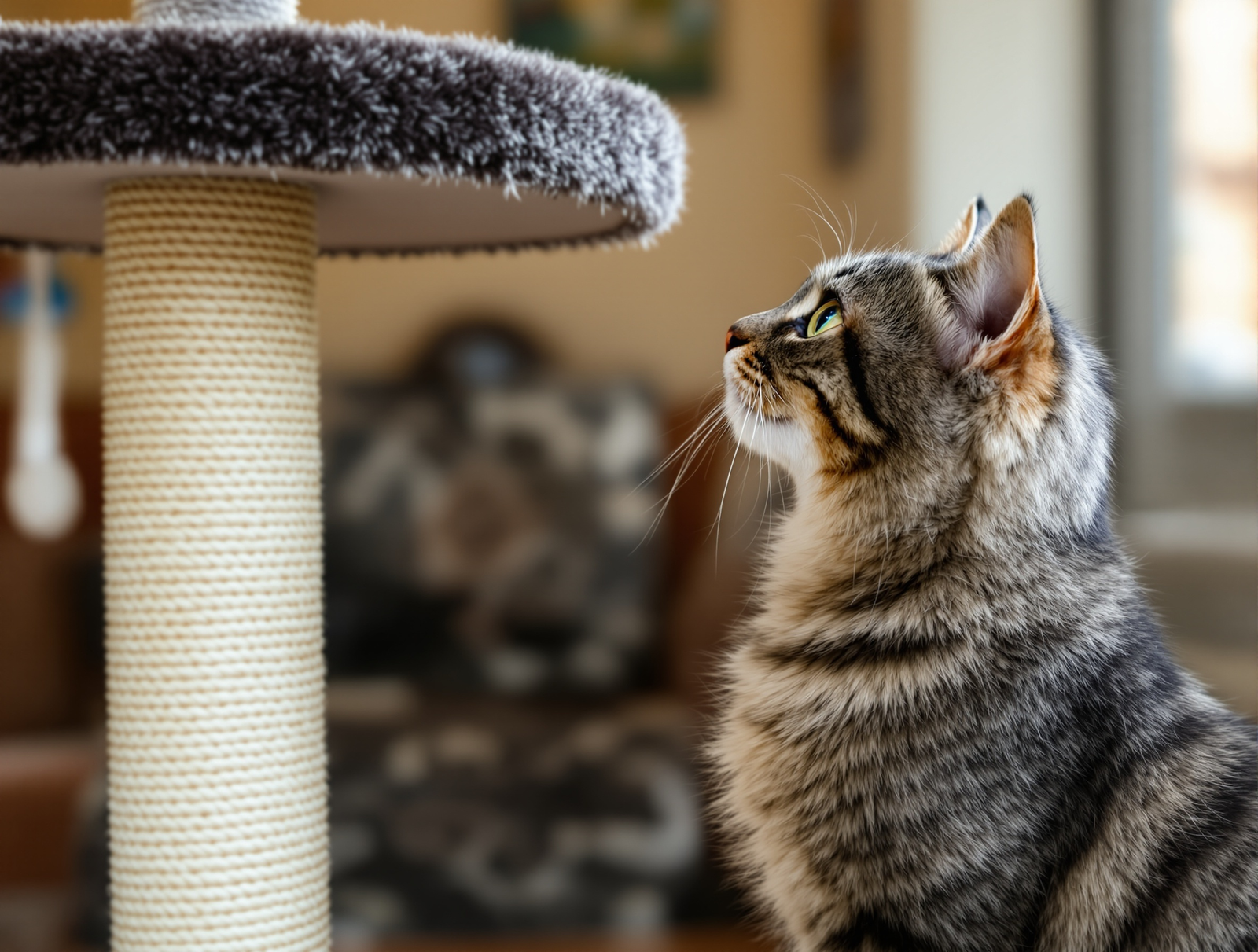
Recognizing pain in cats often involves subtle mobility observations that many owners initially attribute to aging.
Hesitancy to Jump Cats that previously leaped onto counters, furniture, or cat trees but now hesitate or use intermediate steps likely experience joint pain. According to FDA research, osteoarthritis affects more cats than previously recognized.
Limping or Altered Gait Obvious limping indicates pain, but subtle gait changes—such as slower movement, stiffness after rest, or difficulty with stairs—are equally significant.
Reduced Activity Levels A once-playful cat becoming sedentary may be managing chronic pain by limiting movement. This is especially critical when recognizing pain in cats that are overweight, as obesity compounds joint stress.
5. Vocalization Pattern Changes
Increased Meowing or Crying Painful cats may vocalize more frequently, especially when moving, being touched, or during litter box use. Understanding cat vocalizations helps distinguish pain-related sounds from normal communication.
Unusual Sounds Yowling, growling when handled, or purring in unusual contexts can indicate distress. Interestingly, cats sometimes purr to self-soothe when in pain, making context critical.
6. Litter Box Behavior Changes
Pain can dramatically affect toileting habits—a key factor in recognizing pain in cats:
- Urinating or defecating outside the litter box (arthritis makes climbing in painful)
- Reduced litter box visits (holding urine due to pain)
- Crying during or after elimination
- Posture changes while eliminating
If your cat develops urination issues, pain may be the underlying cause requiring immediate veterinary assessment.
7. Facial Expression and Posture Clues
Researchers have developed the Feline Grimace Scale to identify pain through facial features:
Pain-Related Facial Changes:
- Squinted or half-closed eyes
- Flattened ears pulled back
- Tense muzzle and whiskers held tight
- Wide-eyed, vacant stare
Body Posture Indicators:
- Hunched position with tucked abdomen
- Head held low
- Reluctance to stretch or move
- Protective stance over painful areas
How to Manage Pain in Cats: Action Steps
When recognizing pain in cats, immediate action improves outcomes:
1. Consult Your Veterinarian Immediately Never attempt home diagnosis or treatment. Your vet will conduct thorough examinations, potentially including X-rays, blood work, or other diagnostics to identify pain sources.
2. Document Behavioral Changes Keep detailed notes about when symptoms started, their frequency, and triggering factors. Video evidence of mobility issues or behavioral changes helps veterinarians make accurate diagnoses.
3. NEVER Give Human Pain Medications This cannot be overstated: Human pain relievers are toxic and potentially fatal to cats. According to the FDA:
- Acetaminophen (Tylenol) is FATAL – Cats lack the liver enzymes to process it
- Ibuprofen (Advil) causes kidney failure, ulcers, and death
- Aspirin leads to severe bleeding and organ damage
Only use medications prescribed specifically for your cat by a licensed veterinarian.
4. Follow Treatment Plans Precisely Administer medications exactly as directed, complete full antibiotic courses, and attend all follow-up appointments. Inconsistent treatment prolongs suffering and may worsen conditions.
5. Environmental Modifications Make your home more comfortable for painful cats:
- Provide low-sided litter boxes for easy access
- Add ramps or steps to favorite perches
- Place food, water, and beds on main living levels
- Offer comfortable, supportive cat beds
Preventing Pain in Cats: Proactive Strategies
Prevention is always superior to treatment when recognizing pain in cats:
Regular Veterinary Check-Ups Schedule wellness exams at least annually (twice yearly for senior cats over 7 years). Early detection of arthritis, dental disease, or other conditions allows proactive management before severe pain develops.
Maintain Healthy Weight Research confirms obesity significantly increases joint pain risk. Studies show increased body fat is a risk factor for osteoarthritis, particularly in carpal, elbow, stifle, and hip joints. Provide appropriate nutrition and regular exercise.
Dental Care Implement dental hygiene routines including regular tooth brushing and professional cleanings to prevent painful periodontal disease.
Safe Environment Minimize injury risk by:
- Securing windows and balconies for indoor cats
- Removing toxic plants and substances
- Providing appropriate scratching surfaces to maintain claw health
When to Seek Emergency Care
Some pain symptoms require immediate veterinary attention:
- Inability to urinate or defecate
- Uncontrolled bleeding or visible trauma
- Severe lethargy or collapse
- Extreme vocalization or distress
- Difficulty breathing
- Sudden paralysis or inability to walk
Don’t wait—emergency conditions worsen rapidly without intervention.
The Role of Age in Pain Recognition
While cats of any age experience pain, older cats face higher risk for chronic conditions. If you have a senior cat (7+ years), vigilance in recognizing pain in cats becomes even more critical. Age-related issues like arthritis, dental disease, and organ dysfunction increase pain likelihood.
Frequently Asked Questions About Recognizing Pain in Cats
How can I tell if my cat is in pain? Look for behavioral changes including altered grooming, mobility issues, hiding, appetite changes, increased vocalization, and litter box avoidance. Pain signs are often subtle, requiring careful observation of normal behavior patterns.
Do cats suffer in silence? Yes, cats instinctively mask pain due to evolutionary survival mechanisms. They rarely show obvious distress until pain becomes severe, making early recognition challenging but essential.
Can I give my cat aspirin for pain? Absolutely not. Never administer human medications including aspirin, ibuprofen, or acetaminophen to cats. These substances are highly toxic and potentially fatal to felines. Only use veterinarian-prescribed medications.
What breeds are more prone to painful conditions? While any cat can develop painful conditions, certain breeds face higher risks—Persian and exotic breeds for dental issues, large breeds like Maine Coons for hip dysplasia, and Siamese breeds for oral pain conditions.
How does obesity affect pain in cats? Obesity dramatically increases joint stress, leading to osteoarthritis and chronic pain. Overweight cats face higher risks for diabetes, which causes neuropathic pain, and increased surgical/injury risks.
Is purring always a sign of contentment? No. While cats purr when happy, they also purr to self-soothe when in pain, stressed, or ill. Context matters—purring combined with hiding, poor appetite, or reduced activity may indicate distress.
At what age should I be more vigilant about pain? While any age cat can experience pain, senior cats (7+ years) face significantly higher risks for arthritis, dental disease, and chronic conditions requiring increased monitoring.
Conclusion: Your Role in Your Cat’s Pain-Free Life
Recognizing pain in cats demands attentiveness, knowledge, and willingness to act on subtle behavioral changes. Unlike obvious injuries, chronic pain manifests through slight modifications in daily habits—changes only observant owners notice.
By understanding these signs, maintaining preventive care, and responding promptly to concerns, you dramatically improve your cat’s quality of life and potentially extend their healthy years. Remember: you know your cat better than anyone. Trust your instincts when something seems “off,” and never hesitate to consult your veterinarian.
For additional resources on feline health, explore the ASPCA’s comprehensive cat care guides and the American Association of Feline Practitioners website for evidence-based information.
Your cat depends on you to be their advocate and voice. By mastering the art of recognizing pain in cats, you fulfill this responsibility with compassion and vigilance.