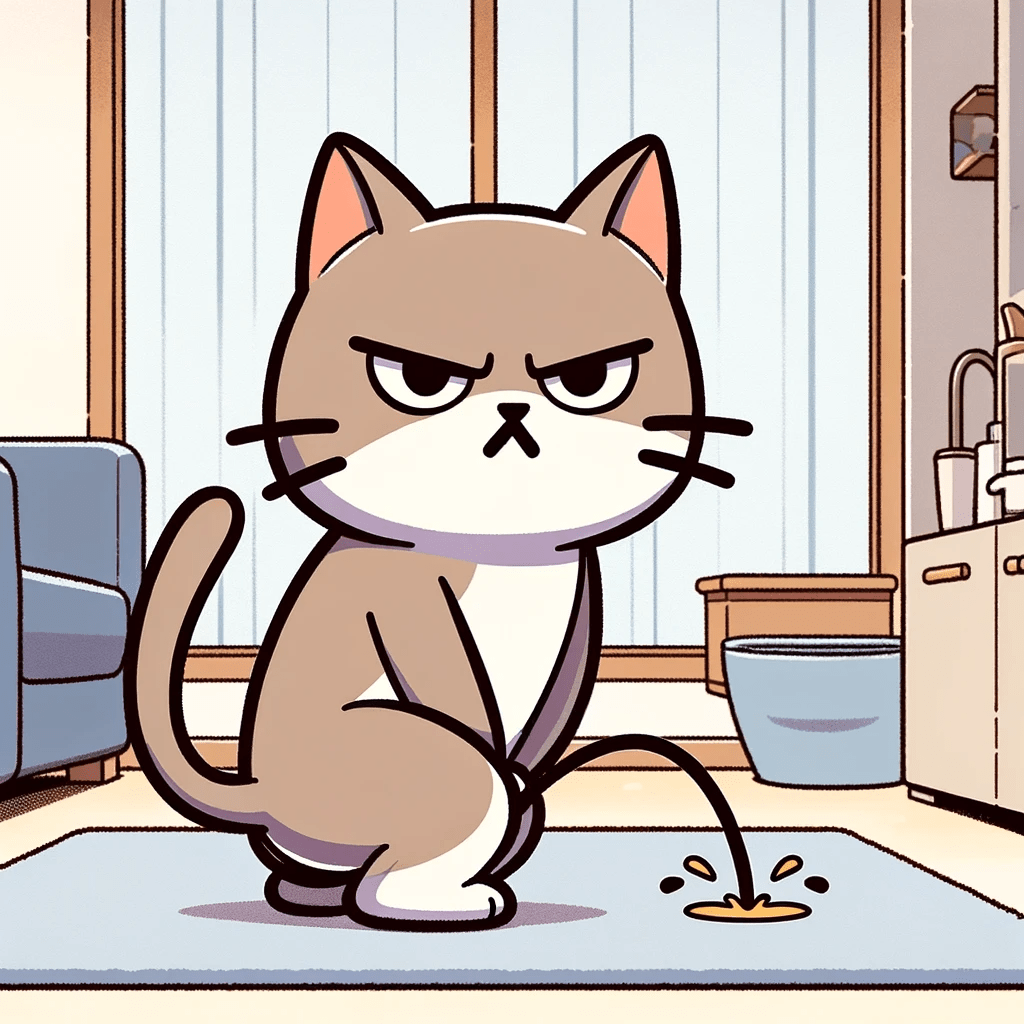
Cat constipation is a common digestive issue that affects felines of all ages, creating significant discomfort and potentially leading to serious health complications if left untreated. Understanding the causes of cat constipation and knowing how to address it effectively is essential for maintaining your cat’s health and wellbeing. This comprehensive guide explores everything you need to know about recognising, treating, and preventing constipation in cats.
Understanding Cat Constipation
Constipation occurs when your cat experiences difficulty passing stools, resulting in infrequent bowel movements and hard, dry faeces. While occasional constipation may resolve on its own, persistent issues can progress to more severe conditions like obstipation (complete blockage) or megacolon (abnormal enlargement of the colon), both of which require immediate veterinary intervention.
Normal Bowel Movement Frequency in Cats
Before identifying cat constipation, it’s important to understand what’s normal. Most healthy cats defecate every 12 to 36 hours, with many pooping once or twice daily. However, this can vary based on diet, age, and activity level. Kittens may pass stools up to three times daily, whilst older cats might go less frequently. If your cat hasn’t had a bowel movement for more than 48 hours, it’s time to take action.
Recognising Cat Constipation Symptoms
Early detection of cat constipation can prevent serious complications. Watch for these warning signs:
- Straining or vocalising in the litter box without producing stool
- Infrequent or absent bowel movements (no defecation for 48+ hours)
- Hard, dry stools that appear small or pellet-like
- Loss of appetite and reduced interest in food
- Lethargy and decreased activity levels
- Vomiting (particularly if constipation is severe)
- Abdominal discomfort or bloating when touched
- Defecating outside the litter box due to associating it with pain
If your cat exhibits multiple symptoms or hasn’t defecated for more than 48 hours, contact your veterinarian immediately.
Common Causes of Cat Constipation
Understanding what triggers cat constipation helps you prevent future episodes and address underlying issues effectively.
1. Dietary Factors
Low-fibre diets are a leading cause of constipation in cats. Whilst cats are obligate carnivores requiring primarily meat-based nutrition, they still need adequate fibre for optimal gastrointestinal health. Understanding your cat’s food needs is crucial for preventing digestive issues.
2. Dehydration
Insufficient water intake leads to harder, drier stools that are difficult to pass. Cats eating exclusively dry food are particularly vulnerable to dehydration-related constipation. Wet cat food contains significantly more moisture and can help maintain proper hydration.
3. Hairballs
Particularly common in long-haired breeds, hairballs can accumulate in the digestive tract and cause blockages. Regular grooming reduces the amount of fur your cat ingests during self-cleaning.
4. Medications
Certain medications have constipation as a side effect, including:
- Opioid pain relievers (such as buprenorphine)
- Antihistamines
- Some antibiotics
- Antacids containing aluminium
- Diuretics
If your cat develops constipation after starting new medication, consult your vet about alternatives.
5. Medical Conditions
Several underlying health issues can cause cat constipation:
- Chronic kidney disease (reduces fluid processing)
- Hypothyroidism (slows metabolism and digestive function)
- Neurological disorders (affect nerve signals to the colon)
- Megacolon (enlarged, weakened colon)
- Pelvic injuries (narrow the pelvic canal)
- Intestinal obstructions (tumours, foreign objects, or strictures)
6. Obesity and Lack of Exercise
Overweight cats often experience reduced mobility and decreased intestinal motility. Cat weight management and encouraging regular exercise for lazy felines can significantly improve digestive health.
7. Stress and Anxiety
Cat anxiety can disrupt normal digestive function. Environmental changes, new pets, moving house, or litter box problems can all trigger stress-related constipation. Understanding cat territorial behaviour can help create a more comfortable environment.
8. Litter Box Issues
Cats may avoid using the litter box if it’s dirty, in an inconvenient location, or associated with negative experiences. Litter box problems should be addressed immediately to prevent constipation.
Effective Remedies for Cat Constipation
Treatment depends on the severity and underlying cause of your cat’s constipation. Always consult your veterinarian before starting any treatment regimen.

Dietary Adjustments
Increase fibre intake through:
- High-fibre commercial cat foods specifically formulated for digestive health
- Canned pumpkin (plain, unsweetened – not pie filling) – ½ to 1 teaspoon per meal
- Cooked vegetables like peas or green beans in small amounts
Understanding cat food needs helps you select appropriate options. For specific breeds like the Maine Coon, tailored nutrition may be necessary.
Hydration Solutions
Encouraging adequate water intake is crucial:
- Provide fresh water at multiple locations throughout your home
- Offer wet food which contains 70-80% moisture
- Use cat water fountains – many cats prefer running water
- Add water or low-sodium broth to dry food
- Try ice cubes or frozen treats to make hydration more appealing
Veterinary-Prescribed Laxatives
Your vet may recommend:
- Lactulose – An osmotic laxative that draws water into the colon (dosage: 0.5ml per 5kg body weight, 2-3 times daily)
- Miralax (polyethylene glycol 3350) – Helps soften stools
- Petroleum-based lubricants – Coat the stool for easier passage
- Stool softeners – Reduce stool hardness
Important: Never give your cat human laxatives without veterinary approval, as many are toxic to cats.
Probiotics and Digestive Support
Probiotics may help restore gut health and support regular bowel movements, though evidence specifically for constipation treatment is less robust than for other digestive issues. They work best as a preventative measure for cats with mild, recurring constipation.
Exercise and Activity
Regular physical activity stimulates intestinal motility. Environmental enrichment for indoor cats encourages natural movement and play.
Veterinary Interventions
For severe constipation, your vet may:
- Administer enemas under sedation (never attempt this at home)
- Provide IV fluids to rehydrate your cat
- Manually remove impacted faeces (deobstipation)
- Prescribe prokinetic medications like cisapride to stimulate colon contractions
- Recommend surgery in cases of megacolon or obstruction
Preventing Cat Constipation
Prevention is always better than treatment when it comes to cat constipation.
Maintain Proper Nutrition
Ensure your cat’s diet includes:
- Adequate fibre (2-4% crude fibre for adult cats)
- High moisture content through wet food
- Quality protein sources to support overall health
Regular Veterinary Care
Choosing the right veterinarian for routine check-ups helps identify health issues early. Senior cats should have twice-yearly examinations to monitor for conditions like kidney disease that contribute to constipation.
Weight Management
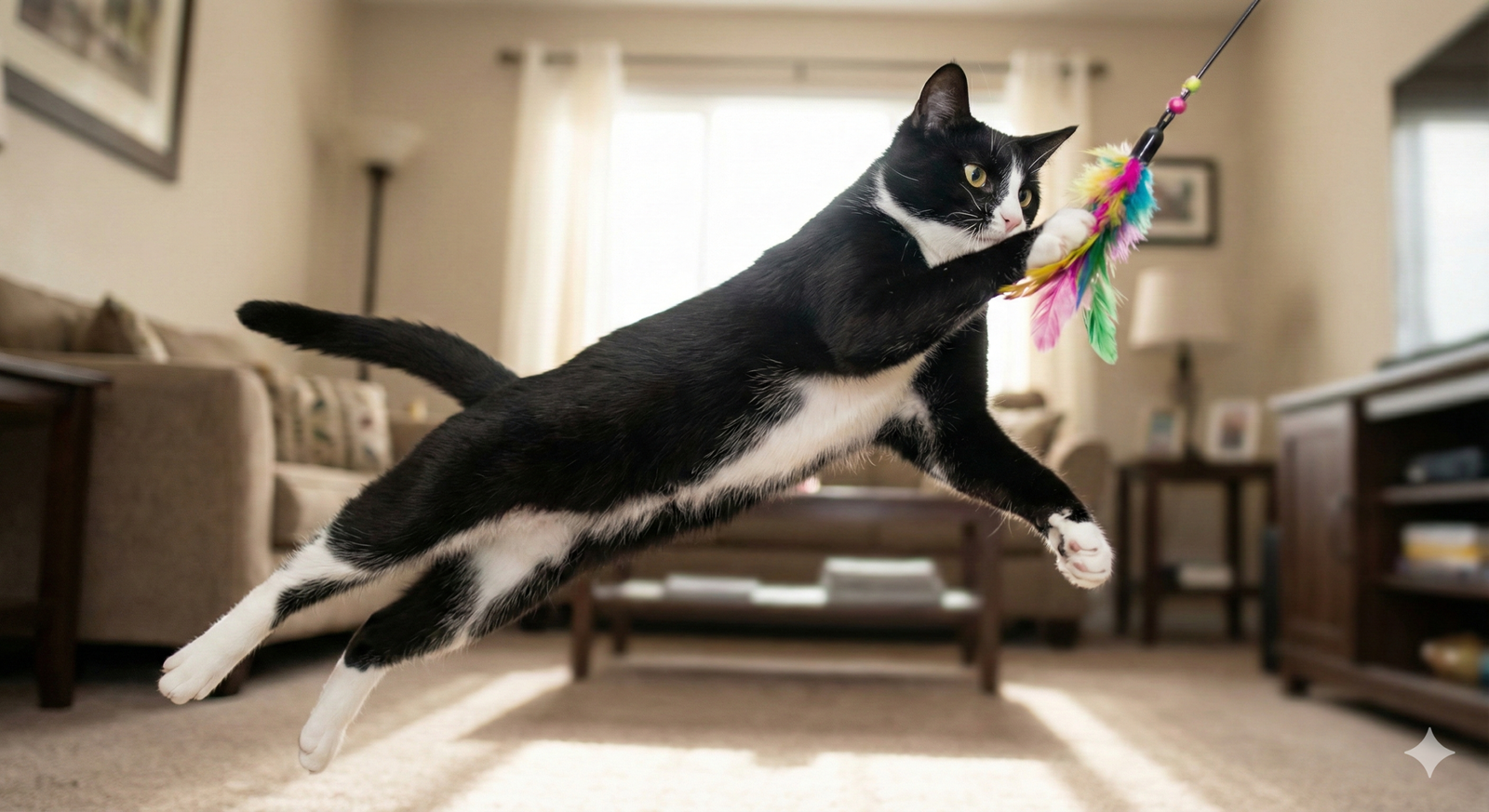
Maintaining an ideal body condition through proper weight management and regular exercise reduces constipation risk significantly.
Stress Reduction
Create a calm environment by:
- Maintaining consistent routines
- Providing vertical territory and hiding spaces
- Using pheromone diffusers
- Properly introducing new cats to avoid territorial stress
Optimal Litter Box Management
Follow these best practices:
- One litter box per cat, plus one extra
- Daily scooping and weekly complete changes
- Suitable location – quiet, easily accessible
- Appropriate litter type – most cats prefer unscented, fine-grained litter
- Large enough boxes – at least 1.5 times your cat’s length
For odour control without deterring your cat, explore best litter types for odour control.
Regular Grooming
Brush your cat regularly to reduce hairball formation, especially for long-haired breeds. This simple practice can prevent hairball-related constipation.
When to See a Veterinarian for Cat Constipation
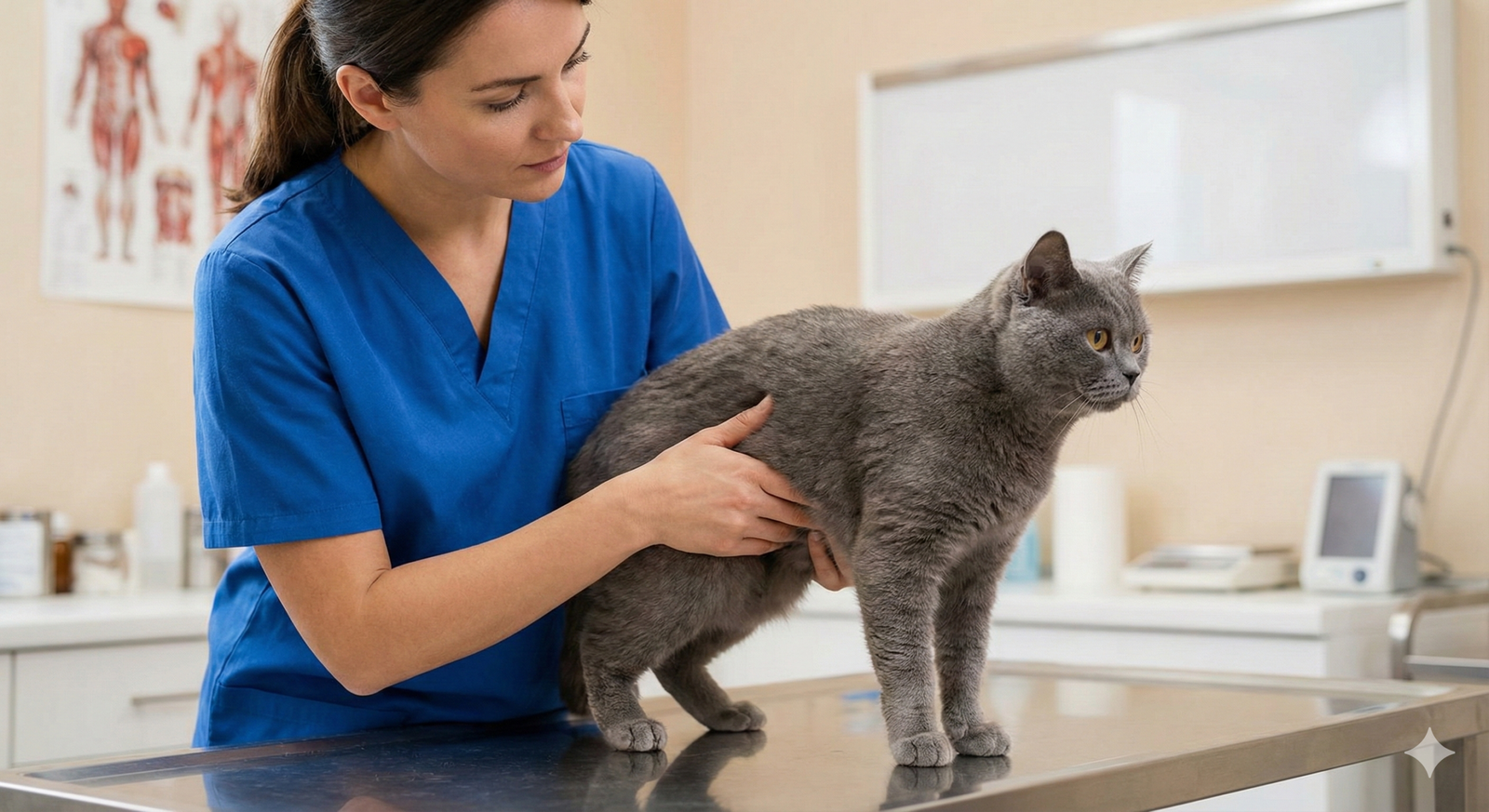
Seek immediate veterinary attention if your cat:
- Has not defecated for 48-72 hours
- Shows signs of severe pain (crying, aggression when touched)
- Exhibits persistent vomiting
- Has a visibly distended abdomen
- Shows extreme lethargy or weakness
- Attempts to defecate repeatedly without success
- Produces only small amounts of liquid stool (possible obstipation)
These symptoms may indicate serious complications requiring emergency treatment. Recognising pain in cats can be challenging, so trust your instincts if something seems wrong.
Breed Considerations
Whilst any cat can develop constipation, certain breeds may have higher risk:
- Manx cats – Genetic spinal abnormalities (Manx Syndrome) can affect nerve function to the bowels
- Siamese cats – Slightly elevated risk of idiopathic megacolon
- Long-haired breeds (Persian, Maine Coon, Ragdoll) – More prone to hairball-related constipation
However, breed is rarely the primary cause of constipation. Age, obesity, and medical conditions play far more significant roles.
Long-Term Outlook for Cats with Constipation
With proper management, most cats recover fully from constipation episodes. However, chronic constipation requires ongoing care:
- Regular veterinary monitoring
- Lifelong dietary modifications
- Daily medication in some cases
- Close observation for symptom recurrence
Untreated chronic constipation can lead to megacolon, a condition where the colon becomes severely enlarged and loses its ability to contract normally. This often requires surgical intervention (subtotal colectomy) to remove the affected portion of the colon.
Frequently Asked Questions About Cat Constipation
How long can a cat go without pooping before it’s dangerous?
If your cat hasn’t defecated for more than 48 hours, veterinary consultation is recommended. Beyond 72 hours without a bowel movement constitutes an emergency requiring immediate attention.
Can I give my cat olive oil for constipation?
Small amounts of olive oil (½ teaspoon) may help lubricate the digestive tract, but it’s not a reliable treatment and should only be used after consulting your vet. Too much oil can cause diarrhoea and nutritional imbalances.
Does dry food cause constipation in cats?
Dry food alone doesn’t necessarily cause constipation, but cats eating exclusively dry food may not consume enough water. Incorporating wet food significantly increases moisture intake and can help prevent constipation.
Is cat constipation contagious to other cats?
No, constipation itself isn’t contagious. However, if the underlying cause is an infectious disease or parasites, those conditions might spread between cats.
Can stress really cause constipation in cats?
Yes, stress and anxiety can significantly disrupt digestive function. Changes in environment, routine, or household dynamics often trigger stress-related constipation.
Are there specific foods that prevent cat constipation?
High-moisture foods, adequate fibre content, and easily digestible proteins help prevent constipation. Wet cat food is generally better than dry for constipation-prone cats.
Final Thoughts on Cat Constipation
Cat constipation is a manageable condition when addressed promptly and appropriately. By understanding the causes, recognising the symptoms early, and implementing proper prevention strategies, you can help keep your feline friend comfortable and healthy. Remember that persistent or severe constipation always warrants professional veterinary care to rule out serious underlying conditions.
Regular monitoring of your cat’s litter box habits, maintaining proper hydration and nutrition, and creating a stress-free environment are your best defences against constipation. When in doubt, consult with your veterinarian – early intervention prevents minor issues from becoming major health emergencies.
For more information on feline health, visit the RSPCA or International Cat Care.