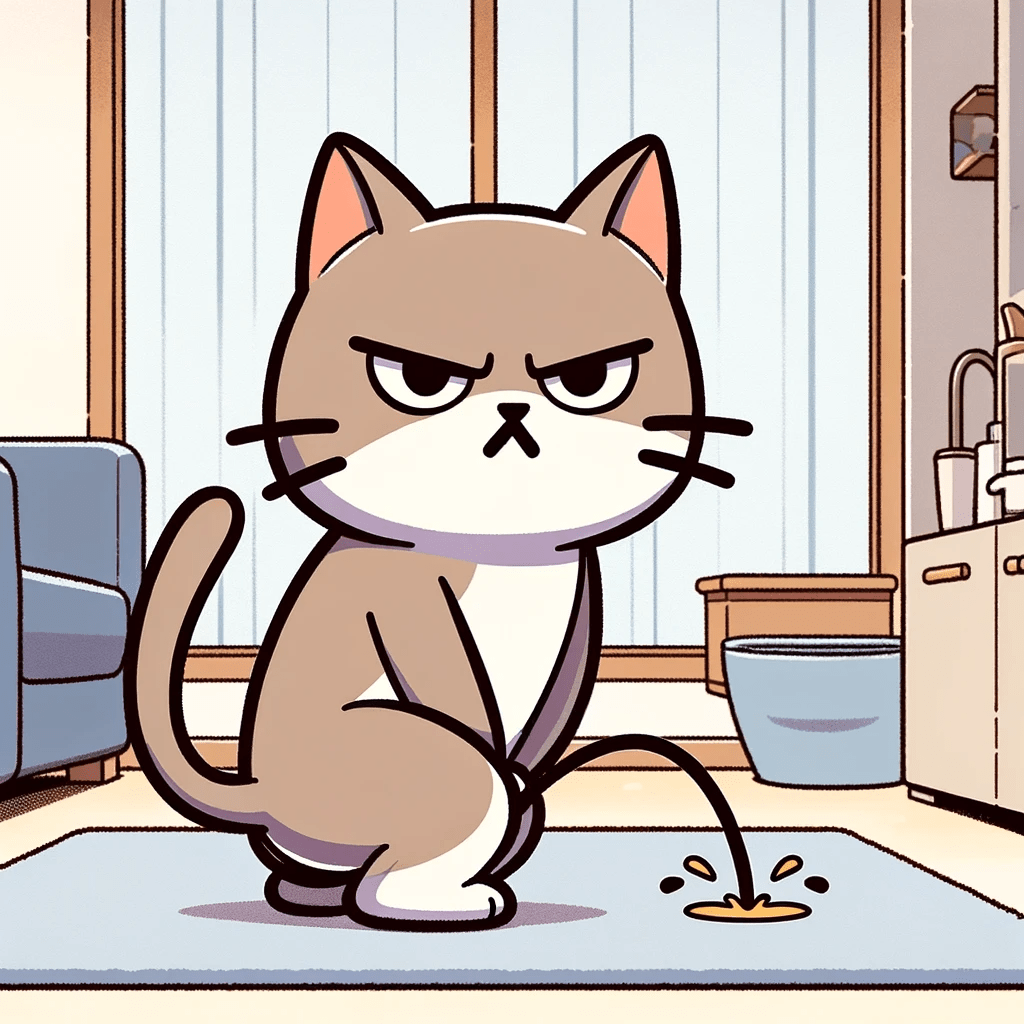
British Shorthair cats are beloved for their teddy bear appearance and gentle temperament, but many owners notice their cats occasionally vomit after eating. Understanding why British Shorthair vomiting occurs and how to prevent it is essential for maintaining your cat’s health and wellbeing. This comprehensive, veterinary-reviewed guide explains the causes, solutions, and when to seek professional help.
Understanding British Shorthair Vomiting After Eating
Vomiting in British Shorthairs can stem from various factors, some breed-specific and others common to all cats. It’s important to distinguish between vomiting (active expulsion of stomach contents) and regurgitation (passive bringing up of undigested food shortly after eating). Recognising the difference helps determine the appropriate treatment approach.
Why British Shorthairs May Be Prone to Vomiting
Whilst British Shorthairs don’t have inherently sensitive stomachs as a breed characteristic, several factors make them susceptible to vomiting after meals:
Breed-Specific Factors:
- Obesity predisposition – Research shows British Shorthairs have a significantly higher likelihood of being overweight compared to mixed breed cats
- Stocky build – Males typically weigh 4-8 kg (9-17 lbs) and females 3-5 kg (7-12 lbs), with their substantial size sometimes encouraging overeating
- Dense plush coat – Requires extensive grooming, leading to increased hairball formation
- Moderate activity levels – Whilst not sedentary, they’re calmer than many breeds, which can contribute to weight gain if diet isn’t properly managed
Understanding your British Shorthair’s care needs is the first step toward preventing digestive issues.
Common Causes of British Shorthair Vomiting After Eating
Identifying the root cause helps you implement the most effective solution.
1. Eating Too Quickly
The Problem: Rapid eating causes cats to swallow excess air alongside food, leading to regurgitation within minutes of finishing their meal. Food appears tubular and largely undigested.
Why British Shorthairs Are Affected: Their calm demeanour doesn’t always extend to mealtimes, especially if they’ve experienced food scarcity or competition with other pets.
Solution:
- Use puzzle feeders or spread food on flat plates rather than deep bowls
- Feed smaller, more frequent meals (3-4 times daily instead of 1-2 large meals)
- Consider food dispensing toys that require cats to work for their meals
2. Overeating and Portion Control Issues
The Problem: British Shorthairs have documented predisposition to obesity. Their love of food combined with lower caloric needs can result in overeating, which overwhelms the stomach and triggers vomiting.
Solution:
- Calculate precise portions: Use your vet’s recommendations based on ideal body weight, not current weight if overweight
- Implement scheduled feeding: Avoid free-feeding, which makes portion control impossible
- Limit treats strictly: Veterinary guidelines recommend treats should not exceed 10% of daily caloric intake
For comprehensive nutrition guidance, explore understanding cat food needs.
3. Hairballs
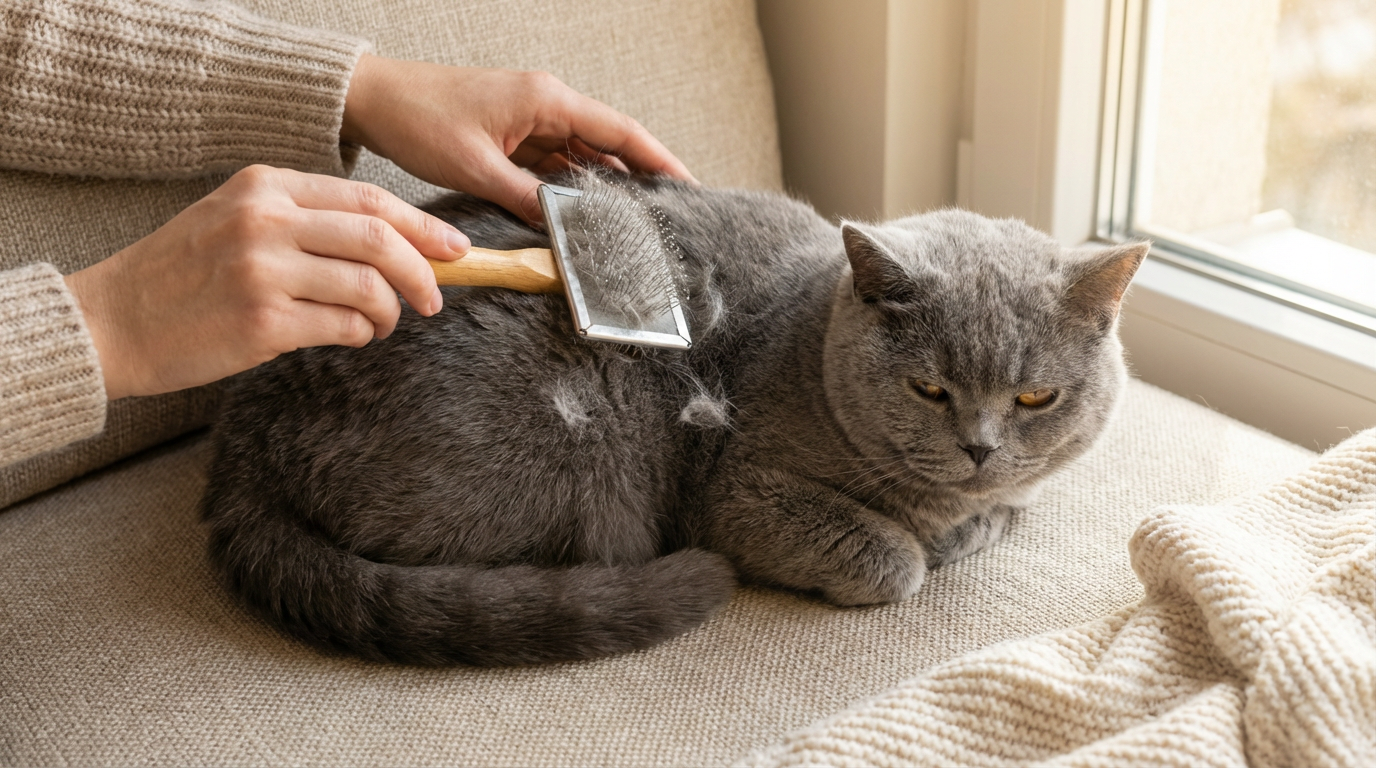
The Problem: British Shorthairs’ dense, plush double coats require significant grooming. Ingested hair accumulates in the stomach and can cause vomiting when the hairball becomes too large to pass through the digestive tract.
Signs of Hairball-Related Vomiting:
- Cylindrical vomit containing visible fur
- Hacking or gagging before vomiting
- Vomiting occurs less frequently than daily
Solution:
- Brush regularly: Daily brushing during shedding seasons, 2-3 times weekly otherwise
- Hairball-control food: High-fibre diets designed to help hair pass through the digestive system
- Hairball remedies: Petroleum-based lubricants or natural options like small amounts of pumpkin (½ teaspoon per meal)
4. Sudden Diet Changes
The Problem: Abrupt changes to food brands or types disrupt the digestive system’s bacterial balance, causing vomiting, diarrhoea, or both.
Solution:
- Transition gradually over 7-10 days:
- Days 1-2: 75% old food, 25% new food
- Days 3-4: 50% old food, 50% new food
- Days 5-6: 25% old food, 75% new food
- Day 7+: 100% new food
If your British Shorthair refuses food, address the underlying cause before changing diets.
5. Food Allergies and Sensitivities
The Problem: Some cats develop adverse reactions to specific proteins (commonly chicken, beef, or fish) or ingredients like grains and artificial additives.
Signs Beyond Vomiting:
- Skin irritation or excessive scratching
- Ear infections
- Diarrhoea
- Poor coat quality
Solution:
- Work with your veterinarian on an elimination diet trial lasting 8-12 weeks
- Consider limited ingredient or hypoallergenic diets
- Keep a food diary tracking symptoms
Learn more about cat food allergies identification and management.
6. Underlying Health Conditions
The Problem: British Shorthairs are genetically predisposed to certain health conditions that may cause vomiting:
Hypertrophic Cardiomyopathy (HCM):
- Most common heart disease in cats
- British Shorthairs have documented breed predisposition
- Advanced stages can cause poor appetite and vomiting
- British Shorthair health problems clarified
Polycystic Kidney Disease (PKD):
- Affects approximately 6% of British Shorthairs with Persian ancestry
- Important: Vomiting typically occurs only in advanced kidney disease, not as an early symptom
- Early signs include increased thirst, increased urination, and weight loss
- Polycystic Kidney Disease information
Other Conditions:
- Inflammatory bowel disease (IBD)
- Gastritis
- Intestinal parasites
- Pancreatitis
Effective Solutions for British Shorthair Vomiting After Eating
Implement Strategic Feeding Practices

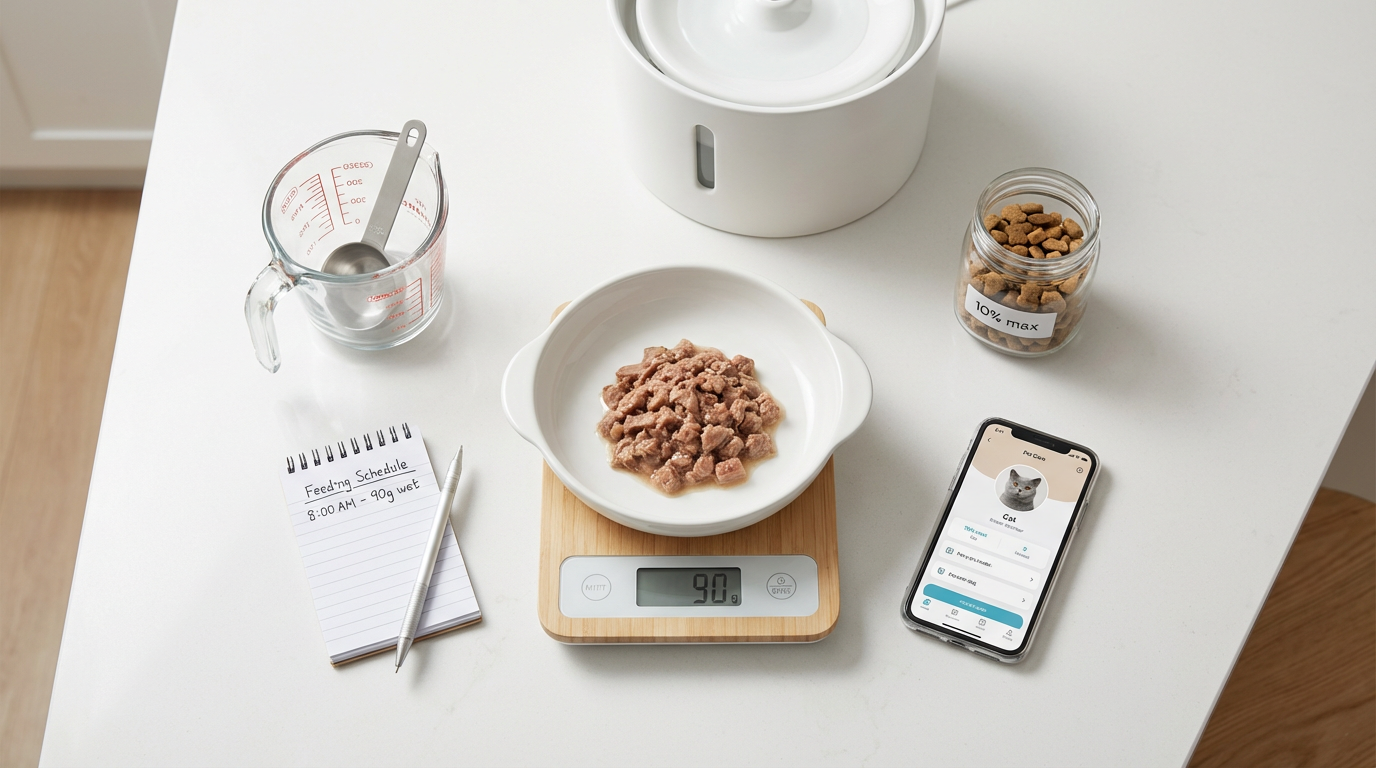
Portion Control: Calculate your cat’s ideal caloric needs based on:
- Ideal body weight (not current weight if overweight)
- Age (senior cats need fewer calories)
- Activity level (indoor cats typically need 20-30% fewer calories than outdoor cats)
- Neutered status (spayed/neutered cats need 25% fewer calories)
Feeding Frequency:
- 3-4 small meals daily works better than 1-2 large meals for cats prone to vomiting
- Consistent meal times help regulate digestion
- Avoid feeding late at night if possible
Slow-Eating Solutions: Whilst slow feeder bowls can help some cats, effectiveness varies:
- Flat plates or shallow dishes often work better than deep bowls
- Puzzle feeders that dispense small amounts
- Hand feeding small portions for severe cases
- Spread food in a thin layer across a large plate
Note: Some cats adapt to slow feeders and continue eating quickly. Monitor effectiveness and adjust accordingly.
Weight Management for British Shorthairs
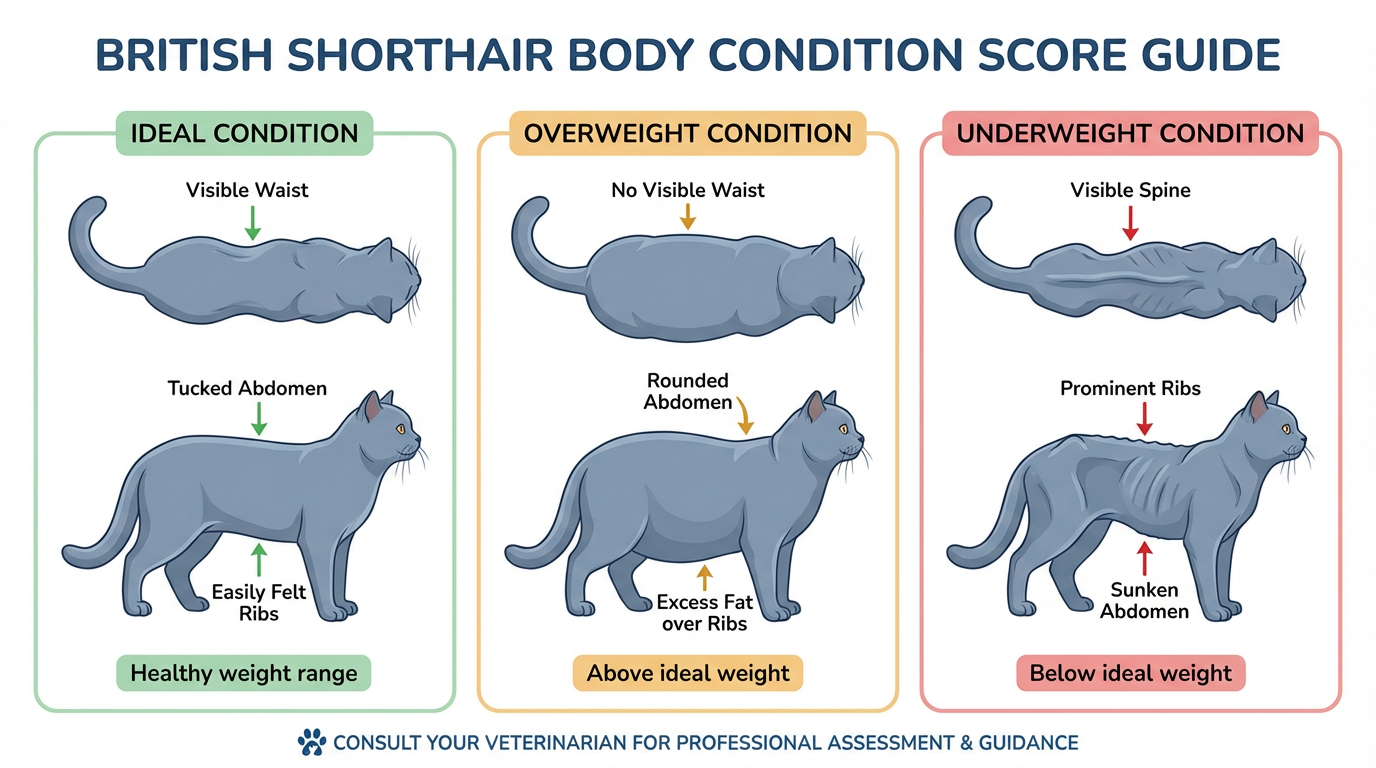
Maintaining ideal body weight prevents vomiting related to obesity and overeating.
Healthy Weight Guidelines:
- Males: 5-7 kg (11-15.5 lbs) for most individuals
- Females: 3.5-5 kg (7.5-11 lbs) for most individuals
- You should feel ribs easily without pressing hard
- Visible waist when viewed from above
- Slight abdominal tuck when viewed from the side
Comprehensive guidance available in our cat weight management guide.
Exercise Strategies: British Shorthairs benefit from moderate daily activity:
- Interactive play sessions: 15-20 minutes twice daily
- Vertical space: Cat trees and shelves encourage climbing
- Food puzzles: Combine mental stimulation with physical activity
- Rotating toys: Prevent boredom with variety
Discover more cat exercise ideas for lazy felines.
Environmental and Stress Management
British Shorthairs’ calm temperament makes them sensitive to environmental stressors that can trigger vomiting.
Create a Calm Feeding Environment:
- Quiet location away from household traffic
- Separate feeding stations if you have multiple cats
- Elevated feeding areas may help some cats (though evidence is mixed)
- Consistent routine for meal times
- Allow 30-60 minutes of rest after meals before vigorous play
Understanding cat anxiety causes and calming techniques can help reduce stress-related vomiting.
When British Shorthair Vomiting Requires Veterinary Attention
Whilst occasional vomiting (once every few weeks) may not be serious, certain symptoms require immediate veterinary care.
Seek Emergency Care If Your Cat:
- Vomits blood (bright red or dark “coffee grounds” appearance) – this requires immediate attention
- Vomits repeatedly (more than 3-4 times within 24 hours)
- Shows lethargy or weakness alongside vomiting
- Has a distended, painful abdomen
- Exhibits pale or yellow gums
- Shows difficulty breathing
- Refuses water or shows signs of dehydration (sunken eyes, dry gums)
- Has diarrhoea with blood in addition to vomiting
According to veterinary emergency guidelines, vomiting blood always warrants immediate professional evaluation.
Schedule a Veterinary Consultation If:
- Vomiting occurs weekly or more frequently, even if your cat seems otherwise healthy
- Weight loss accompanies vomiting
- Behavioural changes occur (hiding, aggression, excessive vocalisation)
- Appetite decreases significantly
- Home remedies don’t work after 48 hours
Learning to recognise pain in cats helps you identify when vomiting signals a serious problem.
Diagnostic Approach
Your veterinarian may recommend:
- Physical examination including abdominal palpation
- Blood tests to assess organ function
- Faecal examination for parasites
- Urinalysis to check kidney function
- Imaging (X-rays or ultrasound) to identify obstructions or abnormalities
- Endoscopy for persistent cases
- Cardiac evaluation (echocardiogram) if HCM is suspected
Ensure you have a relationship with a trusted professional by choosing the right veterinarian for your cat.
British Shorthair Diet Recommendations
Selecting appropriate food can significantly reduce vomiting episodes.
Best Food Types for Vomiting-Prone British Shorthairs
Wet Food Benefits:
- Higher moisture content (70-80%) supports hydration and kidney health
- Easier to digest than dry food
- Helps with weight management
- Reduces hairball formation due to moisture
Dry Food Considerations:
- Choose high-quality options with meat as the first ingredient
- Avoid fillers like corn, wheat, and soy
- Smaller kibble sizes may reduce gulping
- Always provide abundant fresh water
For breed-specific recommendations, see best cat food for British Shorthairs.
Key Nutritional Features:
- High-quality protein: 35-45% from named meat sources
- Moderate fat: 15-20% to prevent obesity
- Adequate fibre: 2-4% to support digestion and hairball management
- Limited carbohydrates: Cats have limited ability to digest carbs
- No artificial additives: These can trigger sensitivities
Preventative Care and Long-Term Management
Grooming Routine
Consistent grooming dramatically reduces hairball-related vomiting:
- Daily brushing during spring and autumn shedding seasons
- 2-3 times weekly during other months
- Use slicker brushes and metal combs designed for dense coats
- Consider professional grooming every 8-12 weeks for severely matted cats
Regular Health Monitoring
At Home:
- Weekly body condition assessments (feel ribs, check waist)
- Monitor litter box for changes in urine or faeces
- Track eating and drinking patterns
- Note vomiting frequency in a diary or phone app
Veterinary Care:
- Annual examinations for adult cats (1-7 years)
- Twice-yearly check-ups for senior cats (7+ years)
- Cardiac screening for HCM at age 1-2 and periodically thereafter
- Kidney function tests starting at age 7 to detect PKD early
Enrichment for British Shorthairs
Mental and physical stimulation supports overall health:
- Environmental enrichment for indoor cats
- Building vertical territory
- Puzzle feeders that slow eating whilst providing entertainment
- Rotating toys to maintain interest
Frequently Asked Questions About British Shorthair Vomiting
Why does my British Shorthair vomit immediately after eating dry food?
Rapid consumption of dry kibble causes gulping of air, leading to regurgitation. Try spreading dry food on a flat plate, using a puzzle feeder, or switching to smaller kibble sizes. Adding a small amount of water to soften kibble may also help.
Is weekly vomiting normal for British Shorthairs?
No. Whilst occasional vomiting (once every few weeks) can be benign, weekly vomiting indicates an underlying issue requiring veterinary evaluation. Don’t normalise frequent vomiting.
Should I feed my British Shorthair smaller, more frequent meals?
Yes. Feeding 3-4 small meals daily rather than 1-2 large meals helps prevent overeating-related vomiting and maintains more stable blood sugar levels throughout the day.
Can stress cause my British Shorthair to vomit?
Yes. Despite their calm demeanour, British Shorthairs can experience stress from environmental changes, new pets, or routine disruptions, which may trigger vomiting. Address stressors systematically.
What’s the difference between vomiting and regurgitation?
Vomiting involves active abdominal contractions and brings up partially digested food with bile or stomach fluid. Regurgitation is passive, occurs shortly after eating, and produces undigested, tubular food without bile.
How can I tell if my British Shorthair is overweight?
You should easily feel their ribs without pressing hard, see a visible waist from above, and notice a slight abdominal tuck from the side. If you can’t feel ribs or see a waist, your cat is likely overweight.
Are hairball remedies safe for daily use?
Most commercial hairball remedies (petroleum-based lubricants) are safe for regular use. Natural alternatives like plain canned pumpkin (½ teaspoon per meal) also work well. Always consult your veterinarian before starting supplements.
Could my British Shorthair have PKD if they’re vomiting?
Vomiting alone doesn’t indicate PKD. This genetic condition primarily causes increased thirst, increased urination, and weight loss. Vomiting typically occurs only in advanced kidney failure stages. Genetic testing can confirm PKD presence.
Final Thoughts on British Shorthair Vomiting After Eating
British Shorthair vomiting after eating is a manageable issue when you understand the underlying causes and implement appropriate solutions. By focusing on portion control, gradual diet transitions, regular grooming, and maintaining ideal body weight, most vomiting episodes can be prevented.
Remember that whilst these gentle giants have a calm temperament and robust constitution, they require attentive care tailored to their breed-specific needs. Regular veterinary check-ups, especially cardiac and kidney monitoring, ensure early detection of breed-predisposed conditions like HCM and PKD.
If your British Shorthair vomits frequently or shows any concerning symptoms, don’t hesitate to seek veterinary care. Early intervention prevents minor issues from becoming serious health problems.
For more comprehensive care information, explore our British Shorthair care guide and join the CatLives.co.uk community for ongoing support and advice.
Additional Resources: