
Cat Sleeping Patterns: What’s Normal and What’s Not?
If you’ve ever marvelled at just how much time your feline companion spends curled up in dreamland, you’re not alone. Understanding cat sleeping patterns is fundamental for any responsible cat owner who wants to distinguish between healthy rest and potential warning signs. While it’s perfectly normal for cats to spend a substantial portion of their day sleeping, knowing what’s typical versus what warrants veterinary attention can make all the difference to your cat’s wellbeing.
Why Do Cats Sleep So Much?
Cats are champion sleepers, typically sleeping between 12 to 16 hours daily. This isn’t laziness—it’s evolutionary biology at work. Your domestic moggy retains the sleep patterns of their wild ancestors, who needed to conserve enormous amounts of energy for hunting. Even though your cat’s “prey” now comes from a tin rather than the garden, their bodies haven’t forgotten these ancient rhythms.
The sleep-hunt connection runs deep. In the wild, felines engage in short, explosive bursts of activity when stalking and capturing prey. These high-intensity moments demand significant energy reserves, which are replenished through extended rest periods. Your domesticated cat maintains this pattern even when their hunting consists of chasing a feather toy across your living room.
Understanding the Crepuscular Nature of Cats
Here’s something many cat owners get wrong: cats aren’t nocturnal animals. They’re crepuscular, meaning they’re naturally most active during dawn and dusk. This is why your cat might wake you at 5 am with enthusiastic zoomies or become particularly playful around twilight.
This crepuscular rhythm stems from hunting instincts. Dawn and dusk represent optimal hunting times in nature—the light is just right for cats’ exceptional vision, and prey animals are often more active during these transitional periods. Understanding this natural rhythm helps explain why your cat seems to sleep through the middle of the day and night, only to burst into activity when you’re trying to enjoy your morning coffee or evening telly.
The Science Behind Feline Sleep Cycles
Like humans, cats experience distinct sleep stages, though their patterns differ significantly from ours. Cat sleep consists of both non-REM (NREM) and REM (Rapid Eye Movement) sleep stages, each serving crucial biological functions.
Light Sleep (Non-REM Sleep)
Cats spend approximately 15-30 minutes in light sleep phases. During this stage, your cat remains semi-alert—their ears might twitch at sounds, and they can spring into action within seconds. You’ll often see cats sleeping in that classic “loaf” position during light sleep, with their paws tucked beneath them and their head up. This position allows for quick awakening if needed.
Deep Sleep (REM Sleep)
The REM phase typically lasts just 5-7 minutes per cycle. This is when cats dream—you might notice their eyes moving beneath closed lids, whiskers twitching, paws paddling, or even soft vocalizations. During REM sleep, your cat’s body temperature drops slightly, and they may seek out warm, comfortable spots like sunny windowsills or the perfect cat bed.
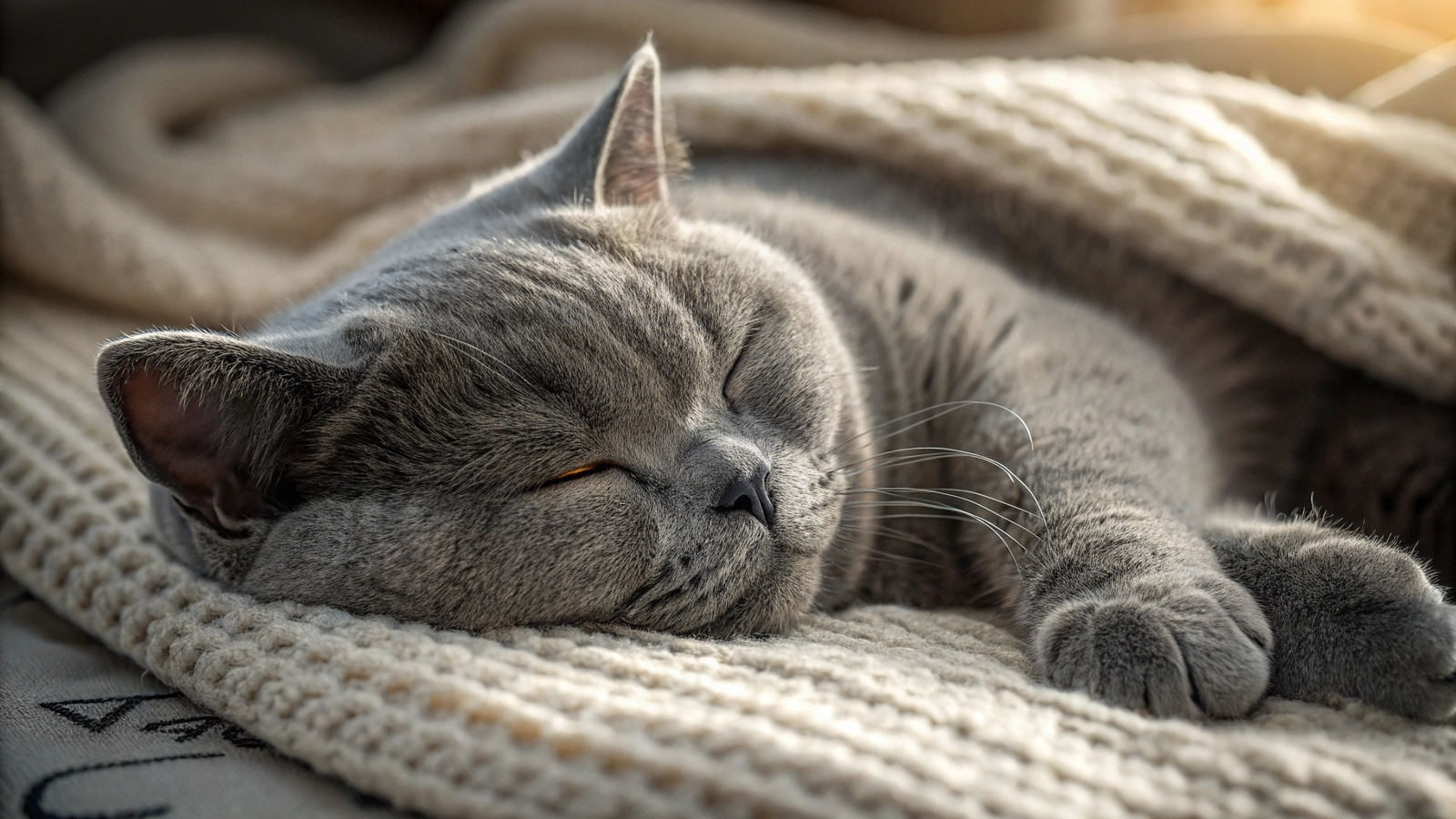
While research suggests REM sleep plays a role in memory consolidation and learning (similar to humans), the specific functions in cats aren’t as thoroughly documented as in people. What’s clear is that cats need these complete sleep cycles for optimal health.
Normal Sleep Duration by Life Stage
Cat sleeping patterns vary significantly depending on age, making it essential to understand what’s typical for your cat’s life stage.
Kittens (0-6 Months)
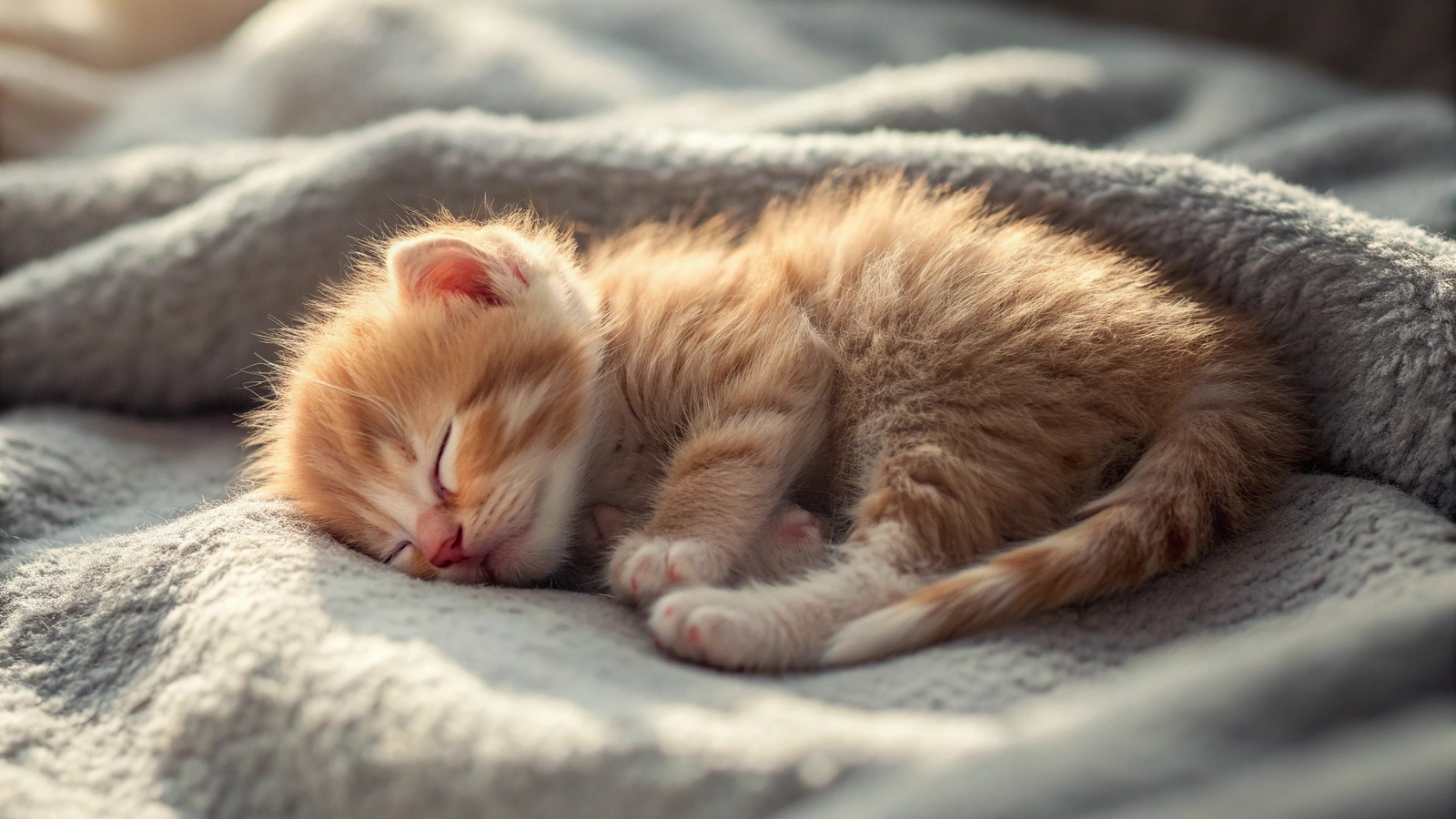
Newborn kittens are the ultimate sleepers, clocking up to 20-22 hours daily. This extensive sleep supports rapid growth and neurological development. During their first two weeks, kittens essentially alternate between sleeping and eating. By three months, sleep duration decreases to approximately 18 hours, and by six months, kittens settle into more adult-like patterns of 16-20 hours.
If you’ve recently welcomed a kitten into your home, don’t be alarmed by their near-constant napping. This is completely normal and necessary for their development. Learn more about building a strong bond with your new companion.
Adult Cats (1-7 Years)
Healthy adult cats typically sleep 12-16 hours per day, distributed across multiple naps rather than one long sleep period. An adult cat’s sleep schedule often includes 6-8 short naps throughout the day and night, each lasting anywhere from 15 minutes to 2 hours.
The variation within this range depends on several factors:
- Activity level: More active cats may sleep less
- Breed: Some breeds are naturally more or less active
- Environment: Indoor cats often sleep more than outdoor cats
- Routine: Cats adapt their sleep to their household’s schedule
Senior Cats (7+ Years)
As cats age, their sleep requirements increase. Senior cats commonly sleep 16-20 hours daily, with some elderly cats sleeping even longer. This increase stems from decreased energy levels, reduced mobility, and potential age-related health conditions.
However, it’s crucial to distinguish between normal age-related increased sleep and excessive lethargy that might signal health problems. If your senior cat suddenly starts sleeping significantly more than usual, particularly if accompanied by other symptoms like appetite changes or difficulty moving, consult your veterinarian. Understanding common health issues in senior cats can help you identify when extra sleep crosses into concerning territory.
Key Factors Influencing Cat Sleeping Patterns
Health Conditions
Various medical conditions can dramatically affect how much and how well your cat sleeps. Conditions to watch for include:
Hyperthyroidism: Often causes restlessness and decreased sleep quality despite increased fatigue.
Diabetes: Can lead to increased sleep due to energy fluctuations and general malaise.
Arthritis: Pain from joint issues may cause cats to sleep more while simultaneously experiencing difficulty finding comfortable positions. If you notice your cat struggling with mobility alongside increased sleep, arthritis might be the culprit.
Kidney Disease: One of the most common causes of increased sleep in older cats, often accompanied by increased thirst and urination.
Dental Problems: Oral pain can lead to lethargy and increased sleep. Regular dental care is essential for maintaining overall feline health.
Stress and Anxiety
Mental health significantly impacts cat sleeping patterns. Cats experiencing stress or anxiety often show disrupted sleep, either sleeping excessively (using sleep as an escape mechanism) or experiencing difficulty settling down.
Common stress triggers include:
- Moving house or significant household changes
- Introduction of new pets or family members
- Changes in routine or environment
- Loud noises like fireworks
- Conflict with other household cats
Stressed cats may also display accompanying behaviours like excessive grooming, hiding, reduced appetite, or inappropriate elimination. Creating a calm environment with safe spaces, consistent routines, and appropriate mental stimulation can significantly improve sleep quality.
Environmental Factors
Your cat’s sleeping environment profoundly affects sleep quality. Cats prefer:
- Warm, comfortable locations: Cats seek out sunny spots, radiators, or cosy beds
- Quiet, secure areas: A spot where they won’t be disturbed
- Elevated positions: Many cats feel safer sleeping in higher locations
- Multiple options: Most cats appreciate having several sleeping spots throughout the home
Providing appropriate sleeping arrangements can dramatically improve your cat’s rest quality.
Nutrition and Diet
Diet quality and feeding schedules influence energy levels and sleep patterns. Cats fed high-quality, protein-rich diets typically maintain more consistent energy levels. Conversely, poor nutrition or irregular feeding times can lead to energy crashes and disrupted sleep.
Consider whether your cat’s diet includes appropriate vitamins and minerals necessary for optimal health. Proper nutrition forms the foundation of healthy sleep patterns.
Warning Signs: When Sleep Patterns Indicate Problems
While extensive sleeping is normal for cats, certain changes warrant veterinary attention:
Sudden Increases in Sleep Duration
If your typically active cat suddenly starts sleeping 18-20+ hours daily, particularly if accompanied by lethargy during waking hours, this could indicate illness. Pay particular attention to sudden changes rather than gradual shifts.
Difficulty Waking or Disorientation
Cats should wake relatively easily from sleep. If your cat seems excessively difficult to rouse, appears disoriented upon waking, or struggles to become alert, this requires immediate veterinary assessment.
Sleep Position Changes
Cats that suddenly start sleeping in unusual positions—especially hunched or guarded postures—may be experiencing pain or discomfort. Similarly, cats that stop sleeping in previously favourite spots might be telling you something’s wrong.
Disturbed Sleep Patterns
Cats experiencing frequent wake-ups, appearing unable to settle, or vocalizing during sleep may have underlying health issues ranging from pain to cognitive dysfunction in senior cats.
Accompanying Symptoms
Be particularly concerned if changes in sleep patterns occur alongside:
- Appetite changes (increased or decreased)
- Weight loss or gain
- Vomiting or diarrhoea
- Changes in litter box habits
- Excessive vocalization
- Behavioural changes
- Visible signs of pain or discomfort
These combinations strongly suggest underlying medical issues requiring professional evaluation.
The Curious Case of Sleeping with Eyes Open
One peculiar aspect of feline sleep that alarms many owners is the tendency of some cats to sleep with their eyes partially or fully open. This behaviour, while unsettling to witness, is generally normal.
Cats can sleep with their eyes open due to:
The Nictitating Membrane: Cats possess a third eyelid (nictitating membrane) that can cover the eye during sleep while the outer eyelids remain partially open. This membrane provides protection and moisture.
Light Sleep Phases: During light NREM sleep, cats maintain some environmental awareness. Sleeping with eyes partially open enables quicker response to potential threats.
Breed and Individual Variation: Some breeds and individual cats are more prone to this behaviour than others. It’s particularly common in brachycephalic (flat-faced) breeds.
Age Factor: Senior cats more frequently display this behaviour than younger cats.
However, if your cat suddenly starts sleeping with eyes open when they never did before, or if the eyes appear dry, cloudy, or irritated, consult your vet to rule out eye problems.
How to Improve Your Cat’s Sleep Quality
Supporting healthy cat sleeping patterns involves creating an optimal environment and routine:
Provide Comfortable Sleeping Options
Invest in quality sleeping spots that suit your cat’s preferences. Some cats prefer enclosed caves that provide security, while others favour elevated perches or sunny window beds. Offer variety and let your cat choose their favourites. Explore options for keeping your cat warm and comfortable, especially during colder months.

Establish Consistent Routines
Cats thrive on predictability. Maintain consistent feeding times, play sessions, and bedtime routines. This predictability helps regulate your cat’s internal clock and promotes better sleep quality.
Encourage Daytime Activity
Combat excessive daytime sleeping in cats that become nuisances at night by engaging them in interactive play sessions, particularly during their natural crepuscular activity peaks. Mental stimulation through toys and even training sessions can help tire your cat appropriately.
Ensure Proper Nutrition
Feed your cat high-quality, age-appropriate food at consistent times. Consider whether wet cat food or dry cat food better suits your cat’s needs.
Minimize Stress
Identify and address stress sources in your cat’s environment. This might involve creating more vertical space, providing hiding spots, using pheromone diffusers, or addressing conflicts in multi-cat households. Reducing stress and anxiety should be a priority for every cat owner.
Schedule Regular Veterinary Check-ups
Prevention is always better than cure. Regular vet visits allow early detection of health issues that might affect sleep patterns, from dental problems to more serious conditions.
Frequently Asked Questions About Cat Sleeping Patterns
How many hours should my adult cat sleep each day?
Most healthy adult cats sleep 12-16 hours daily. This extensive sleep is completely normal and reflects their evolutionary heritage as predators who conserved energy between hunts.
Is it normal for my cat to sleep 20 hours a day?
For kittens and senior cats, 20 hours of sleep can be normal. However, for adult cats in their prime, 20 hours of daily sleep warrants investigation, particularly if it represents a sudden change from their usual pattern.
Why does my cat sleep so much after eating?
Post-meal sleepiness is normal in cats. Digestion requires energy, and many cats naturally settle down for a nap after eating—a behaviour known as “food coma.” This is particularly common after large meals.
Should I worry if my cat sleeps in different positions?
Cats naturally vary their sleeping positions based on comfort, temperature, and how secure they feel. Common positions include curled up (conserving heat), stretched out (cooling down), or in a loaf position (light sleep). However, sudden preference for hunched or guarded positions may indicate discomfort or pain.
Can cats be insomniacs?
While rare, cats can experience sleep disturbances. True insomnia is uncommon, but cats can suffer from disrupted sleep due to pain, anxiety, hyperthyroidism, or cognitive dysfunction. If your cat seems unable to settle or rest properly, veterinary consultation is essential.
Why is my cat suddenly sleeping more than usual?
Sudden increases in sleep can indicate illness, pain, depression, or stress. Any dramatic, unexplained change in sleep patterns deserves veterinary attention, especially if accompanied by other symptoms.
Do indoor cats sleep more than outdoor cats?
Generally, yes. Indoor cats typically sleep 16-20 hours daily, while outdoor cats average 12-14 hours due to increased stimulation and activity. The difference reflects environmental enrichment levels—indoor cats need appropriate stimulation to prevent excessive sleeping from boredom.
Conclusion: Understanding Your Cat’s Sleep Needs
Recognising what constitutes normal cat sleeping patterns empowers you to provide better care and identify potential health concerns early. While cats are naturally champion sleepers—typically requiring 12-16 hours daily for adults, with kittens and seniors needing even more—it’s the sudden changes that warrant attention.
Your cat’s sleep patterns offer valuable insights into their overall health and wellbeing. A cat sleeping peacefully in comfortable locations, waking alert and responsive, and maintaining consistent patterns is likely a healthy, content feline. Conversely, dramatic changes in sleep duration, quality, or accompanying symptoms should prompt veterinary consultation.
By providing comfortable sleeping environments, maintaining consistent routines, ensuring proper nutrition and wellbeing, and staying alert to changes, you’ll support your cat’s natural sleep needs while catching potential problems early.
Remember, your cat spends the majority of their life asleep—making sleep quality just as important as waking-hour care. When in doubt about your cat’s sleeping habits, trust your instincts and consult your veterinarian. After all, you know your cat best, and your observations matter.
Understanding and respecting your cat’s sleep patterns isn’t just about accepting their lengthy naps—it’s about ensuring those naps contribute to a long, healthy, happy life for your beloved feline companion.