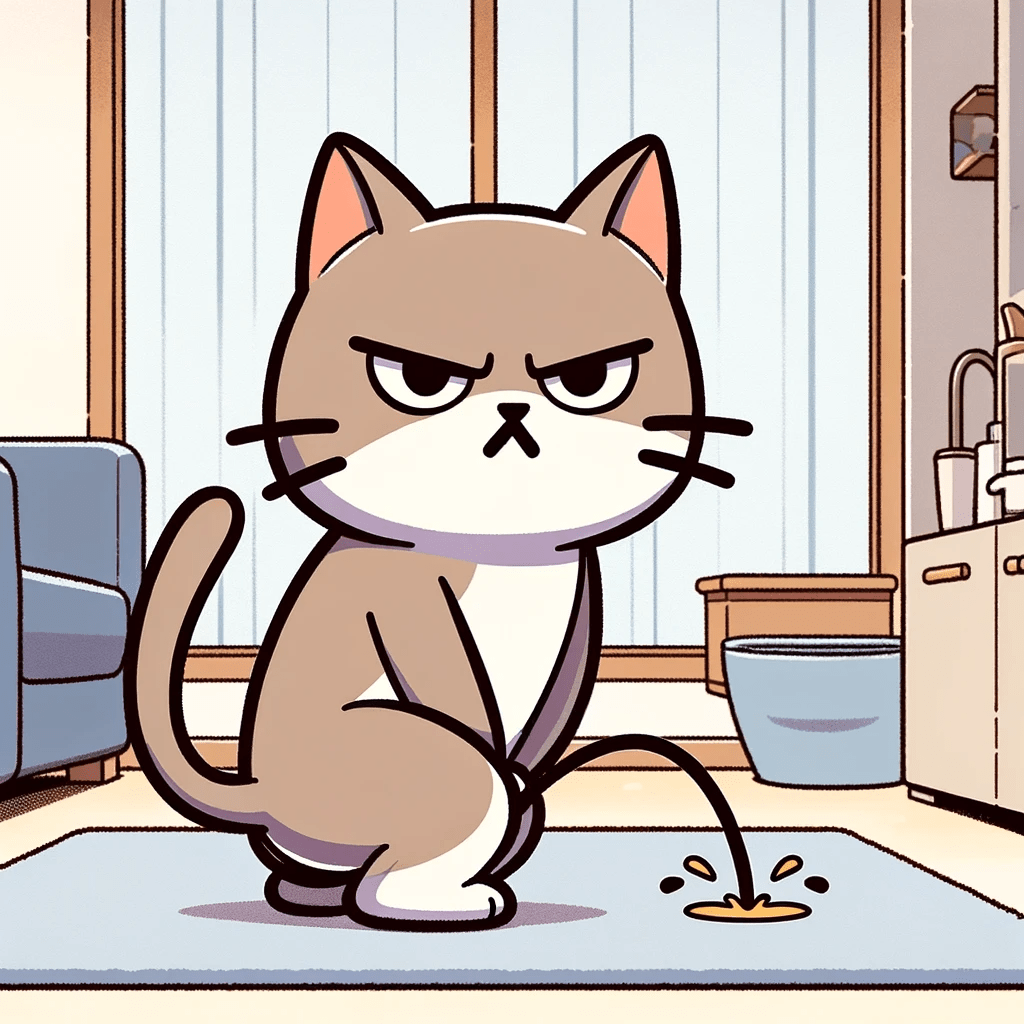
The British Shorthair, with its distinctive plush coat and characteristically calm temperament, ranks among the UK’s most cherished cat breeds. Yet beneath that adorable exterior lies a breed predisposed to specific health challenges that demand informed attention. British Shorthair urinary issues represent one of the most significant health concerns for this breed, making early recognition and preventative care absolutely critical for every owner.
This comprehensive, veterinary-informed guide will help you identify urinary health problems early, implement proven prevention strategies, and ensure your British Shorthair enjoys a long, healthy life.
Quick Summary
- Recognise early warning signs including frequent urination, blood in urine, and behavioural changes
- Understand that while general feline obesity affects up to 56% of cats, British Shorthairs specifically show a 48% overweight/obesity rate
- Prevent British Shorthair urinary issues through proper hydration, weight management, and diet
- Know breed-specific risks including HCM, PKD, and calcium oxalate stone formation
- Identify emergency symptoms requiring immediate veterinary attention
- Implement long-term monitoring strategies tailored to British Shorthair needs
Understanding British Shorthair Urinary Issues
British Shorthairs face heightened susceptibility to feline lower urinary tract disease (FLUTD), a collective term encompassing various conditions affecting the bladder and urethra. Research indicates that FLUTD affects 1.5-2.2% of the domestic cat population, with certain breeds showing increased predisposition.
What Makes British Shorthairs Vulnerable?
Unlike some breeds, British Shorthairs possess several characteristics that elevate their urinary health risks:
Breed-Specific Calcium Oxalate Risk: Studies confirm British Shorthairs are among the breeds at increased risk for calcium oxalate uroliths (bladder stones), alongside Ragdolls, Himalayans, and Persians.
Weight Challenges: Research on Australian British Shorthairs found approximately 48% were overweight or obese, significantly higher than mixed breeds. This excess weight directly contributes to urinary complications.
Male Anatomy: Male British Shorthairs face particular vulnerability due to narrower urethras, making them more susceptible to dangerous blockages, with most occurring in cats aged 1-10 years.
Similar to how British Shorthair diarrhoea requires specific home remedies, urinary issues demand breed-specific attention.
Recognising Signs of British Shorthair Urinary Issues
Early detection can be lifesaving. Watch for these critical warning signs:
Behavioural Red Flags
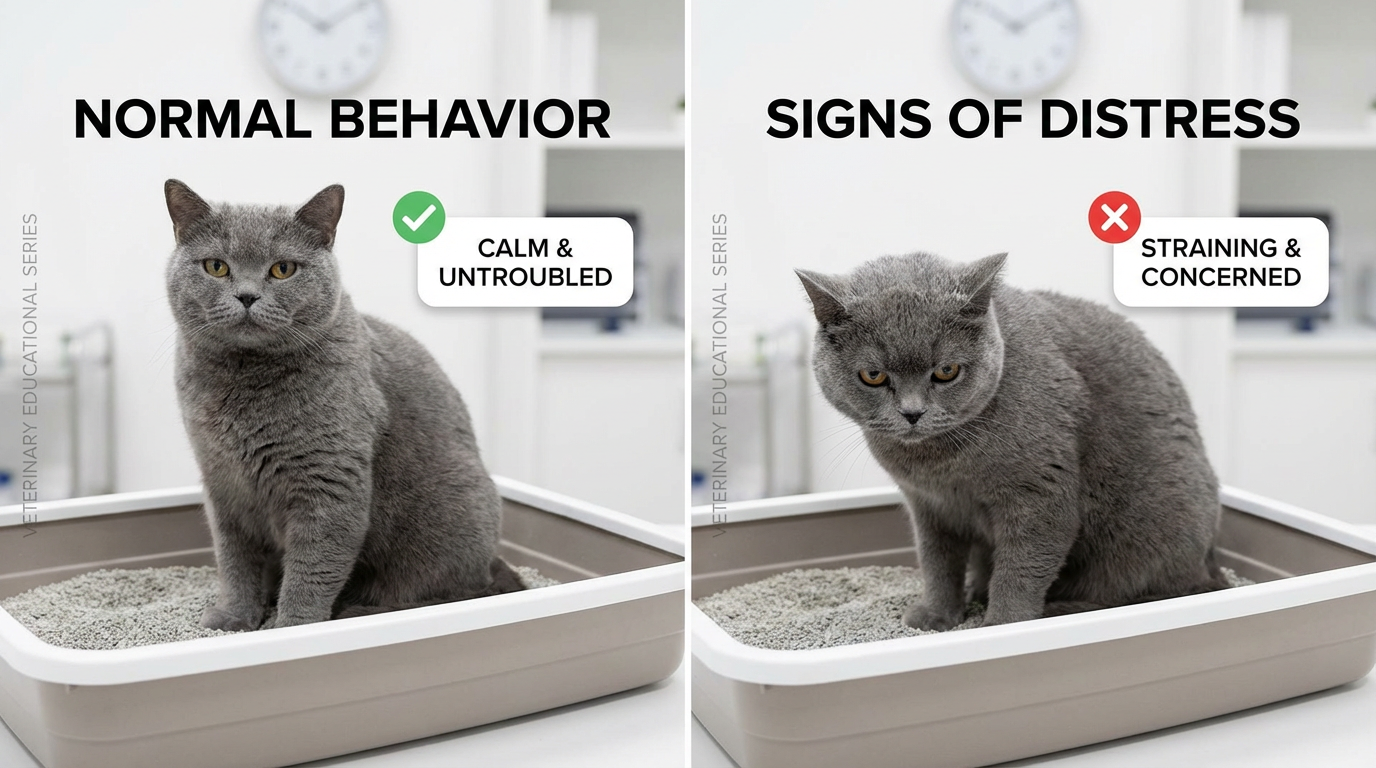
Frequent Litter Box Visits: Your cat makes repeated trips but produces minimal urine—one of the earliest British Shorthair urinary issues indicators.
Straining or Vocalisation: Crying out while urinating signals pain and requires immediate veterinary assessment.
Inappropriate Elimination: Urinating outside the litter box often indicates underlying health problems rather than behaviour issues.
Excessive Licking: Persistent attention to the genital area suggests discomfort or irritation.
Physical Symptoms
Haematuria (Blood in Urine): Even trace amounts demand urgent veterinary examination, as this can indicate serious urinary tract conditions.
Lethargy and Appetite Loss: General malaise often accompanies British Shorthair urinary issues as the body responds to infection or blockage.
Abdominal Sensitivity: Discomfort when the belly is touched may indicate bladder inflammation or obstruction.
Just as with British Shorthair vomiting after eating, these symptoms require prompt professional assessment.
Breed-Specific Health Risks Affecting Urinary Function
Understanding your British Shorthair’s genetic predispositions helps anticipate and prevent complications.
Polycystic Kidney Disease (PKD)
PKD affects approximately 6% of all cats, with higher prevalence in British Shorthairs due to Persian ancestry. Kittens born with this genetic condition develop progressively larger kidney cysts that eventually compromise renal function, subsequently increasing urinary complication risks.
Hypertrophic Cardiomyopathy (HCM)
HCM represents the most common feline heart disease, with British Shorthairs showing genetic predisposition. While primarily a cardiac condition, compromised circulation can affect kidney function and contribute to British Shorthair urinary issues.
Weight-Related Complications
The 48% overweight/obesity rate in British Shorthairs creates a cascade of health problems. Excess weight promotes:
- Feline idiopathic cystitis (FIC)
- Bladder stone formation
- Diabetes mellitus (which increases urinary problems)
- Reduced mobility and grooming difficulties
Proper weight management strategies prove essential for preventing British Shorthair urinary issues.
Prevention Strategies for British Shorthair Urinary Issues
Proactive management dramatically reduces urinary complication risks in British Shorthairs.
Optimise Hydration

Water Accessibility: Place multiple fresh water sources throughout your home. British Shorthairs, like most cats, prefer moving water—consider cat water fountains to encourage drinking.
High-Moisture Diet: Feed predominantly wet food, which contains 70-80% water compared to dry food’s 10%. This simple change helps dilute urine and prevent crystal formation.
Flavoured Water: Some cats drink more when water contains low-sodium chicken broth (ensure it’s onion and garlic-free).
Strategic Nutrition
Prescription Diets: Cats with recurrent British Shorthair urinary issues benefit from veterinary urinary care formulas that control urine pH and mineral content.
Controlled Portions: British Shorthairs require careful portion control due to their obesity predisposition. Calculate daily calories based on ideal body weight, not current weight.
Quality Protein Sources: Choose foods with named meat proteins (chicken, fish, turkey) as primary ingredients to support muscle maintenance whilst managing weight.
Similar nutritional attention applies whether you’re addressing British Shorthair appetite issues or urinary health.
Weight Management

Regular Activity: British Shorthairs tend toward laziness. Implement daily interactive play sessions using feather wands, laser pointers, and puzzle feeders.
Environmental Enrichment: Vertical territory encourages climbing and movement, combating the sedentary lifestyle that contributes to obesity and urinary problems.
Body Condition Monitoring: Assess your cat’s body condition score monthly. You should feel ribs with light pressure and see a defined waist when viewing from above.
Stress Reduction
Stress significantly contributes to feline idiopathic cystitis, the most common cause of FLUTD in cats under 10 years. For British Shorthairs:
Litter Box Management: Provide one box per cat plus one extra. Position boxes in quiet, accessible locations away from food and water.
Routine Consistency: British Shorthairs thrive on predictability. Maintain consistent feeding times, play schedules, and household routines.
Safe Spaces: Ensure your cat has quiet retreat areas, particularly important in multi-cat households or during environmental changes.
When to Seek Emergency Veterinary Care
Certain symptoms indicate life-threatening British Shorthair urinary issues requiring immediate professional intervention:
Critical Emergency Signs
Complete Urinary Blockage: A cat unable to urinate for 24-48 hours faces kidney failure and death. Male cats particularly risk blockage, with up to 10% experiencing urethral obstruction at some point.
Severe Lethargy: Profound weakness may indicate advanced kidney dysfunction or severe infection requiring urgent treatment.
Persistent Vomiting: When combined with urinary symptoms, vomiting suggests systemic complications potentially involving kidney function.
Bloody Urine: While sometimes associated with less serious cystitis, haematuria warrants same-day veterinary assessment to rule out serious underlying conditions.
Diagnostic Procedures
Veterinarians employ several diagnostic tools for British Shorthair urinary issues:
- Urinalysis: Examines urine for crystals, bacteria, blood cells, and protein
- Urine Culture: Identifies specific bacterial infections requiring targeted antibiotics
- Imaging: X-rays or ultrasound detect stones, tumours, or structural abnormalities
- Blood Tests: Assess kidney function and identify underlying metabolic conditions
Similar diagnostic thoroughness applies when recognising pain in cats or investigating other health concerns.
Long-Term Management of British Shorthair Urinary Issues
Cats with recurrent urinary problems require ongoing management strategies.
Home Monitoring
Litter Box Observations: Note urination frequency, volume, colour, and any straining. Changes often precede clinical symptoms by days.
Weight Tracking: Weigh your British Shorthair monthly. Sudden loss may indicate kidney problems, whilst gain exacerbates urinary risks.
Behaviour Changes: Subtle shifts in behaviour often signal early health problems before physical symptoms appear.
Veterinary Partnership
Regular Health Checks: Adult British Shorthairs benefit from annual examinations, whilst senior cats (over 7 years) require biannual visits.
Screening Tests: Annual bloodwork and urinalysis detect early kidney disease, diabetes, and other conditions contributing to British Shorthair urinary issues.
Breeder Health Information: If purchasing from a breeder, request genetic health screening results for PKD and HCM to understand your cat’s inherited risks.
Frequently Asked Questions About British Shorthair Urinary Issues
Why is my British Shorthair suddenly urinating outside the litter box?
Inappropriate elimination typically signals either medical problems (most commonly urinary tract issues) or environmental stress. The first step involves veterinary examination to rule out British Shorthair urinary issues. If medical causes are excluded, address potential stressors and litter box problems.
Are male or female British Shorthairs more at risk of urinary blockage?
Males face significantly higher blockage risk due to their longer, narrower urethras. Neutered males aged 1-10 years represent the highest-risk group. However, both sexes can develop cystitis, infections, and bladder stones.
What diet prevents urinary crystals in British Shorthairs?
High-moisture diets featuring quality protein sources and controlled mineral content work best. Wet food dilutes urine, reducing crystal concentration. For cats with history of British Shorthair urinary issues, prescription urinary care diets may be necessary. Always consult your veterinarian before dietary changes.
How do I know if my British Shorthair is overweight?
At ideal weight, you should feel ribs with light pressure, see a defined waist from above, and notice a tummy tuck from the side. British Shorthairs’ muscular build makes assessment challenging—veterinary body condition scoring provides objective evaluation. The 48% overweight rate in this breed necessitates vigilant monitoring.
What should I do if I see blood in my British Shorthair’s urine?
Contact your veterinarian immediately for same-day assessment. Whilst sometimes caused by treatable cystitis, haematuria can indicate serious conditions including bladder stones, tumours, or severe infections. Never adopt a wait-and-see approach with bloody urine.
Can British Shorthair urinary issues be cured?
This depends on the underlying cause. Bacterial infections typically resolve with appropriate antibiotics. Idiopathic cystitis often requires ongoing management rather than cure. Bladder stones may need surgical removal. Early intervention and appropriate management allow most cats to live comfortable, normal lives despite recurrent British Shorthair urinary issues.
Conclusion: Protecting Your British Shorthair’s Urinary Health
British Shorthair urinary issues represent a significant breed concern, but informed, proactive ownership dramatically reduces risks. By maintaining optimal hydration, managing weight carefully, feeding high-quality diets, and monitoring for early warning signs, you can protect your cat’s urinary health throughout their lifetime.
Remember these key actions:
✓ Provide multiple fresh water sources and predominantly wet food ✓ Maintain healthy weight through portion control and daily activity ✓ Monitor litter box habits for changes in frequency, volume, or behaviour ✓ Schedule regular veterinary check-ups including urinalysis and bloodwork ✓ Seek immediate care for straining, bloody urine, or inability to urinate
The British Shorthair’s gentle, affectionate nature makes them wonderful companions. By understanding and addressing their specific urinary health vulnerabilities, you ensure your beloved cat enjoys many healthy, comfortable years together.
For comprehensive guidance on all aspects of British Shorthair care, explore our complete breed care guide. When health concerns arise, always consult your veterinarian—your partnership with veterinary professionals remains your most valuable tool for preventing and managing British Shorthair urinary issues