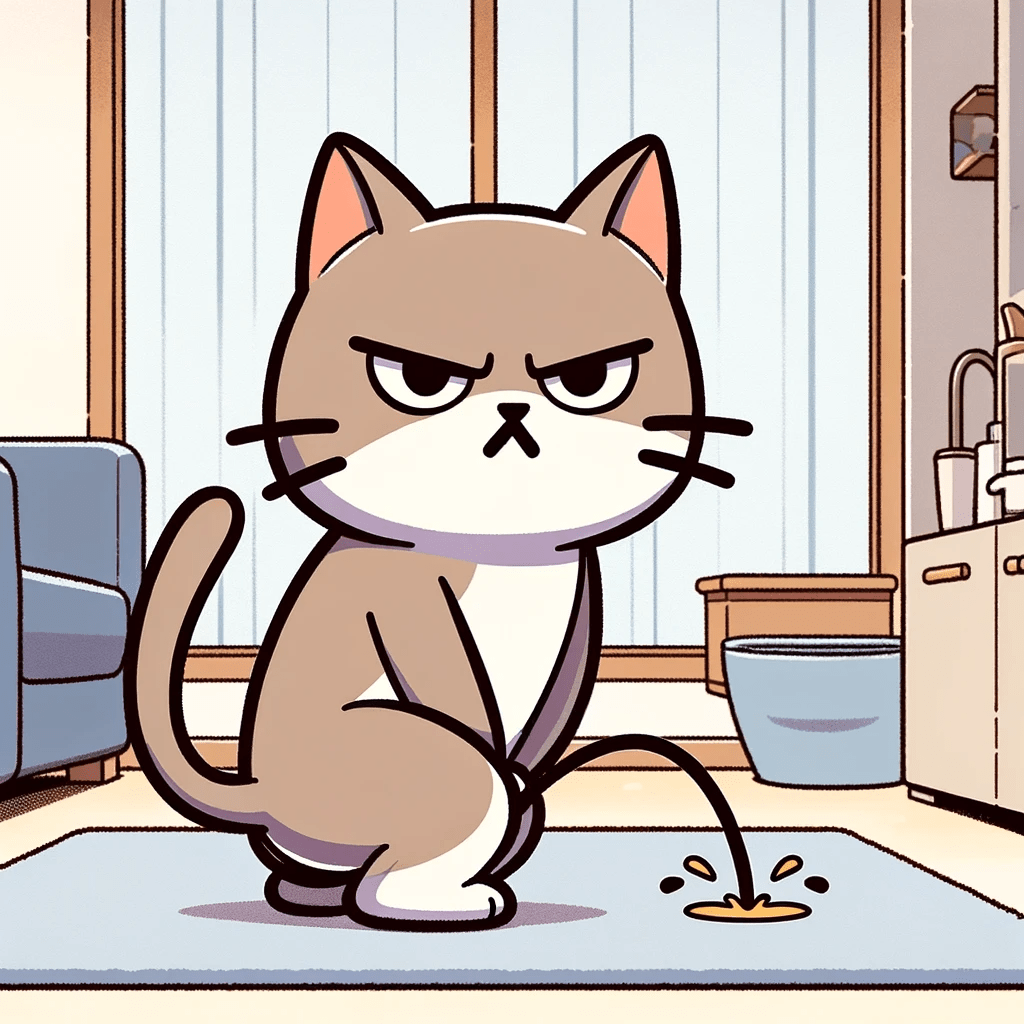
As a proud owner of a British Shorthair, you cherish your companion’s affectionate nature, dignified presence, and plush, teddy-bear coat. However, even the most regal of cats can experience “undignified” moments. Digestive issues are common in this breed, and knowing how to handle them is vital.
If you are dealing with a sudden bout of upset stomach, this guide outlines safe and effective British Shorthair diarrhoea home remedies, taking into account their unique dietary sensitivities and distinct physiology.
Understanding British Shorthairs and Digestive Sensitivity
The British Shorthair is renowned for its “cobby” and robust build. While they look sturdy, their digestive systems can be surprisingly delicate. They are susceptible to gastrointestinal disturbances, particularly when exposed to abrupt dietary changes or stress.
It is important to distinguish between a healthy weight and obesity. A healthy male British Shorthair can weigh between 6–9 kg, while females typically range from 4–6 kg. Because they are naturally heavy, it can be difficult to tell if digestive issues are related to weight or diet. Research indicates that carrying excess weight can exacerbate digestive inflammation, so maintaining a [Internal Link: Healthy Weight Management for Cats] is crucial.
If your cat is exhibiting mild symptoms but is otherwise acting normal, employing safe home remedies can help ease their discomfort.
Top 3 British Shorthair Diarrhoea Home Remedies
When your cat experiences mild stomach upset, the goal is to rest the gut and provide easily digestible nutrition. Here are the most effective methods.
1. The Bland Diet: Poultry
A temporary switch to a bland diet is the “Gold Standard” for managing feline diarrhoea.
-
Boiled Chicken or Turkey: Use breast meat with no skin, bones, or seasoning.
-
Preparation: Boil the meat until cooked through and shred it into small, bite-sized pieces.
-
Why it works: It provides essential protein without the complex fats found in standard commercial pet food, allowing the digestive system to recover.
2. The Fibre Fix: Pumpkin vs. Rice

There is often debate regarding the best binding agent for loose stools.
-
Pure Pumpkin: Plain, canned pumpkin (not pie filling) is highly recommended. It is a soluble fibre powerhouse that absorbs excess water in the gut, helping to firm up stool. It is also packed with potassium.
-
White Rice: While some modern grain-free advocates avoid rice, traditional veterinary advice supports mixing a small amount of well-boiled white rice with chicken. It acts as a low-residue binder. However, for the British Shorthair, pumpkin is often the preferred choice due to its higher nutrient profile.
Feeding Tip: Mix 1 teaspoon of pumpkin or a tablespoon of rice into their boiled meat.
3. Hydration Support
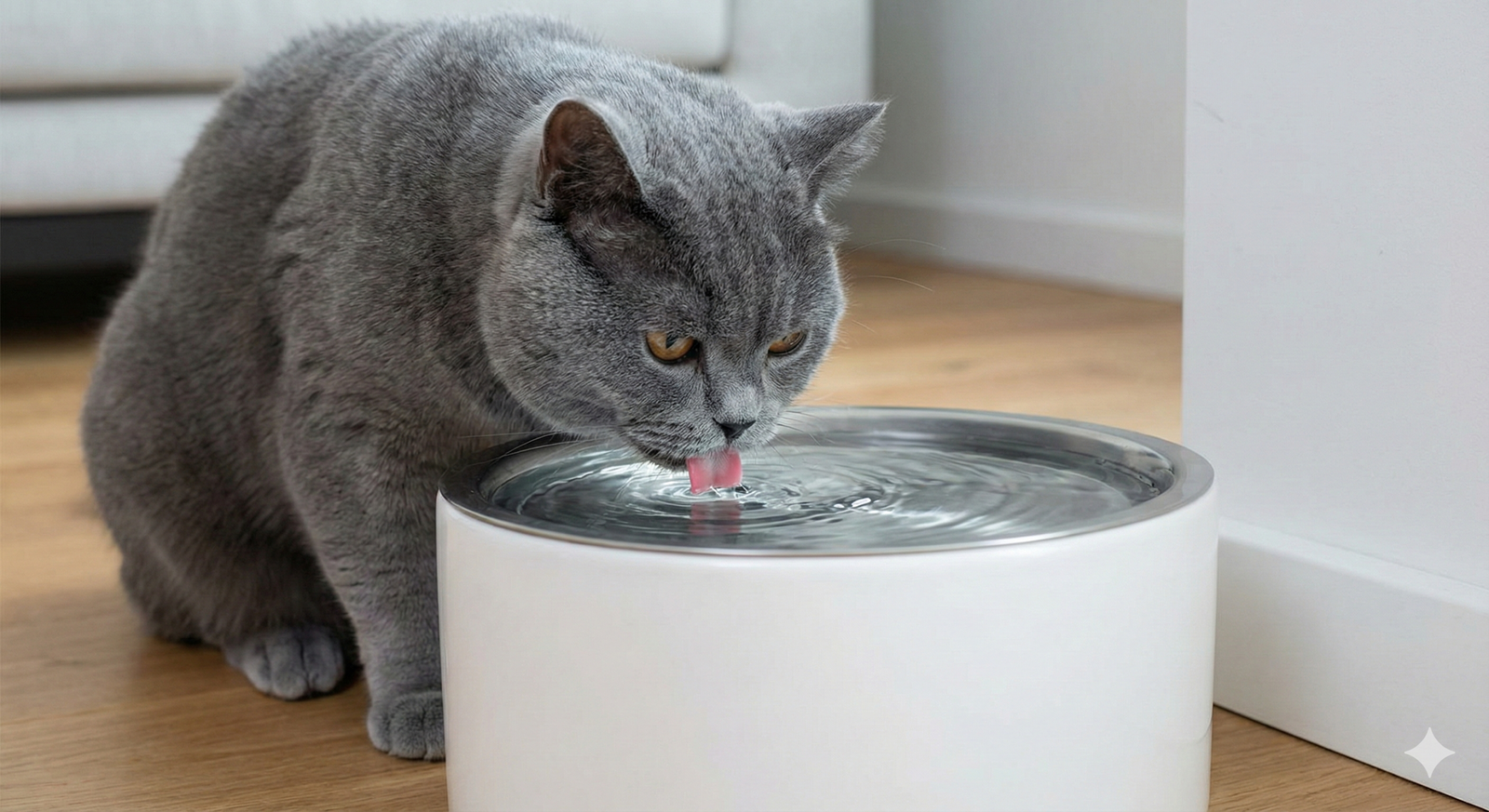
Diarrhoea leads to rapid fluid loss. British Shorthairs, like many cats, have a low thirst drive, which makes dehydration a serious risk.
-
Electrolytes: Consider an unflavoured electrolyte solution formulated for cats (available at pet stores).
-
Fresh Water: Ensure multiple bowls of fresh water are available. [Internal Link: Best Water Fountains for British Shorthairs] can encourage them to drink more.
External Resource: For a deeper dive into cat nutrition and digestive health, visit the Cornell Feline Health Center.
Environmental Triggers: Stress and Routine
British Shorthairs are creatures of habit. They are famously laid-back, but they internalize stress. A chaotic environment can manifest as physical illness, including British Shorthair diarrhoea.
-
Sudden Diet Changes: Never switch food brands overnight. Transition over 7–10 days.
-
Household Stress: Moving furniture, loud noises, or new pets can trigger “stress colitis.” Ensure your cat has a quiet, safe retreat.
Check out our guide on [Internal Link: Reducing Anxiety in British Shorthairs] to create a calmer home environment.
When to Seek Veterinary Care
While British Shorthair diarrhoea home remedies are effective for mild cases, there are critical red flags. British Shorthairs are predisposed to specific genetic conditions, such as Hypertrophic Cardiomyopathy (HCM) and Polycystic Kidney Disease (PKD). Digestive issues can sometimes be a secondary symptom of these systemic problems.
Consult your veterinarian immediately if:
-
The diarrhoea lasts longer than 24–48 hours.
-
You see blood in the stool.
-
Your cat is lethargic or hiding.
-
There is vomiting accompanying the diarrhoea.
-
Your cat is a kitten (under 1 year) or a senior (over 10 years).
External Resource: Learn more about breed-specific health risks at International Cat Care.
Proactive Prevention
Preventing gastrointestinal disturbances is better than curing them.
-
High-Quality Protein: Feed a diet rich in animal protein and low in fillers.
-
Regular Grooming: British Shorthairs have dense coats. Ingesting too much fur during grooming can cause hairballs and digestive upset. [Internal Link: Grooming Tips for British Shorthairs].
-
Probiotics: Ask your vet about a daily probiotic supplement to maintain healthy gut flora.
FAQs
What bland foods are safe for British Shorthairs with diarrhoea? Plain boiled chicken breast or turkey (skinless and boneless) are the safest options. You can mix this with a teaspoon of pure pumpkin puree.
Is rice safe for my cat? Yes, well-cooked white rice is safe and acts as a binder. However, many owners prefer pumpkin as a grain-free alternative that offers better nutritional value.
Can I give my cat milk to soothe their stomach? No. Most adult cats are lactose intolerant. Milk will likely make the diarrhoea significantly worse.
How long does mild diarrhoea last? It should resolve within 24 hours of starting a bland diet. If it persists beyond 48 hours, contact a vet.
Conclusion
By understanding your cat’s specific needs and utilizing these British Shorthair diarrhoea home remedies, you can handle minor tummy troubles with confidence. Remember, a calm environment and a consistent, high-quality diet are your best tools for long-term health.
For more expert advice, grooming tips, and community support, be sure to explore the rest of the CatLives.co.uk family.
Disclaimer: This article is for informational purposes only and does not constitute veterinary advice. Always consult your veterinarian regarding your pet’s health.