Environmental Enrichment for Indoor Cats: The Ultimate Guide to a Happy Pet
Environmental enrichment for indoor cats is often the missing piece in the puzzle of feline health. While keeping cats indoors protects them from cars and predators, it can lead to a challenge outdoor cats rarely face: a lack of stimulation. Without the natural thrill of the hunt or the sensory variety of the wild, indoor cats can become bored, stressed, and sedentary.
This proactive guide will explore how to transform your home into a stimulating sanctuary that caters to your cat’s instinctual behaviours, fostering both physical vitality and mental sharpness.
Understanding Environmental Enrichment for Indoor Cats
Before delving into specific strategies, it is vital to understand what environmental enrichment for indoor cats entails. It is not just about buying more toys; it is about modifying an animal’s habitat to enhance their psychological health.
In the wild, a cat’s day is consumed by hunting, patrolling territory, and processing complex scents. Indoors, food is delivered in a bowl and the territory never changes. Enrichment bridges this gap, preventing the “behavioral decay” that leads to shredded sofas and 3 AM wake-up calls. For a deeper dive into the trade-offs of the indoor lifestyle, read our guide on Indoor vs Outdoor Cats.
The Importance of Enrichment
Providing environmental enrichment for indoor cats is critical for preventing medical and behavioral issues:
-
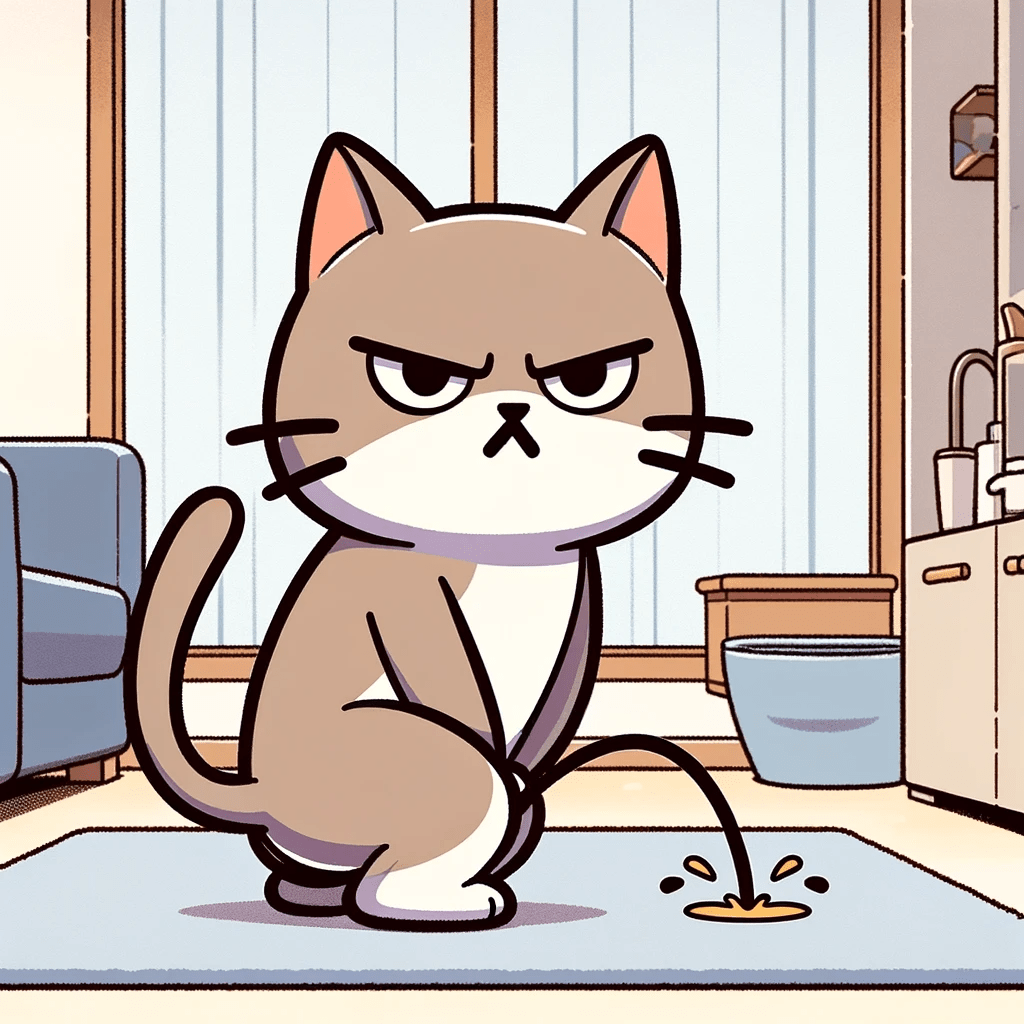
Prevention of Behavioural Problems: Boredom is the leading cause of destructive scratching and excessive vocalisation. If your cat is “talking” non-stop, check our guide on Understanding Cat Meowing to see if boredom is the culprit.
-
Weight Management: Indoor cats are prone to obesity. Enrichment forces them to work for their food and move their bodies.
-
Stress Reduction: A stimulating environment builds confidence. It gives anxious cats a sense of control over their territory.
The 5 Pillars of Environmental Enrichment for Indoor Cats
To create a truly enriched life, you must address five key categories.
1. Vertical Space: The Superhighway
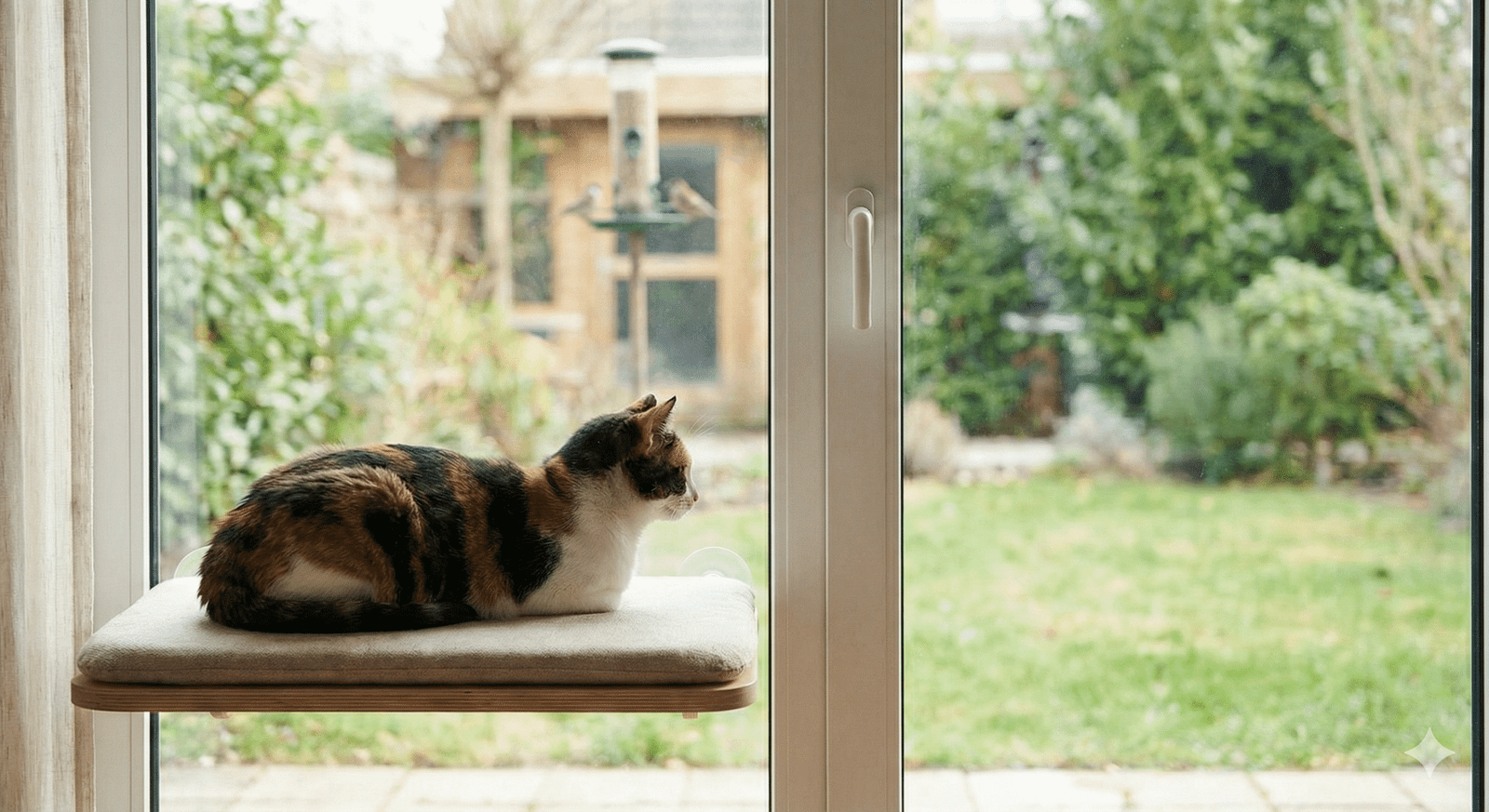
Cats live in three dimensions. While humans stick to the floor, cats derive confidence from height. Providing shelves, cat trees, or window perches allows them to “patrol” their domain safely.
-
Cat Trees: Essential for multi-cat households to establish hierarchy.
-
Window Perches: These provide “Cat TV.” Watching birds and squirrels is a primal form of entertainment. Since cats love warmth, a sunny window perch also doubles as a sunbathing spot—read more about why this is vital in Cats and Sunbathing.
2. Predatory Play (Done Correctly)
The simplest form of environmental enrichment for indoor cats is play, but the type of play matters.
-
Wand Toys: These mimic the movement of birds or mice. You must act like the prey—hide the toy behind corners to trigger the pounce instinct.
-
The Laser Pointer Rule: Laser pointers are great for cardio, but they can cause psychological frustration because the cat can never “catch” the red dot. Pro Tip: Always end a laser session by tossing a physical toy or a treat for the cat to “kill.” This completes the predatory cycle and prevents anxiety.
3. Food Puzzles and Foraging
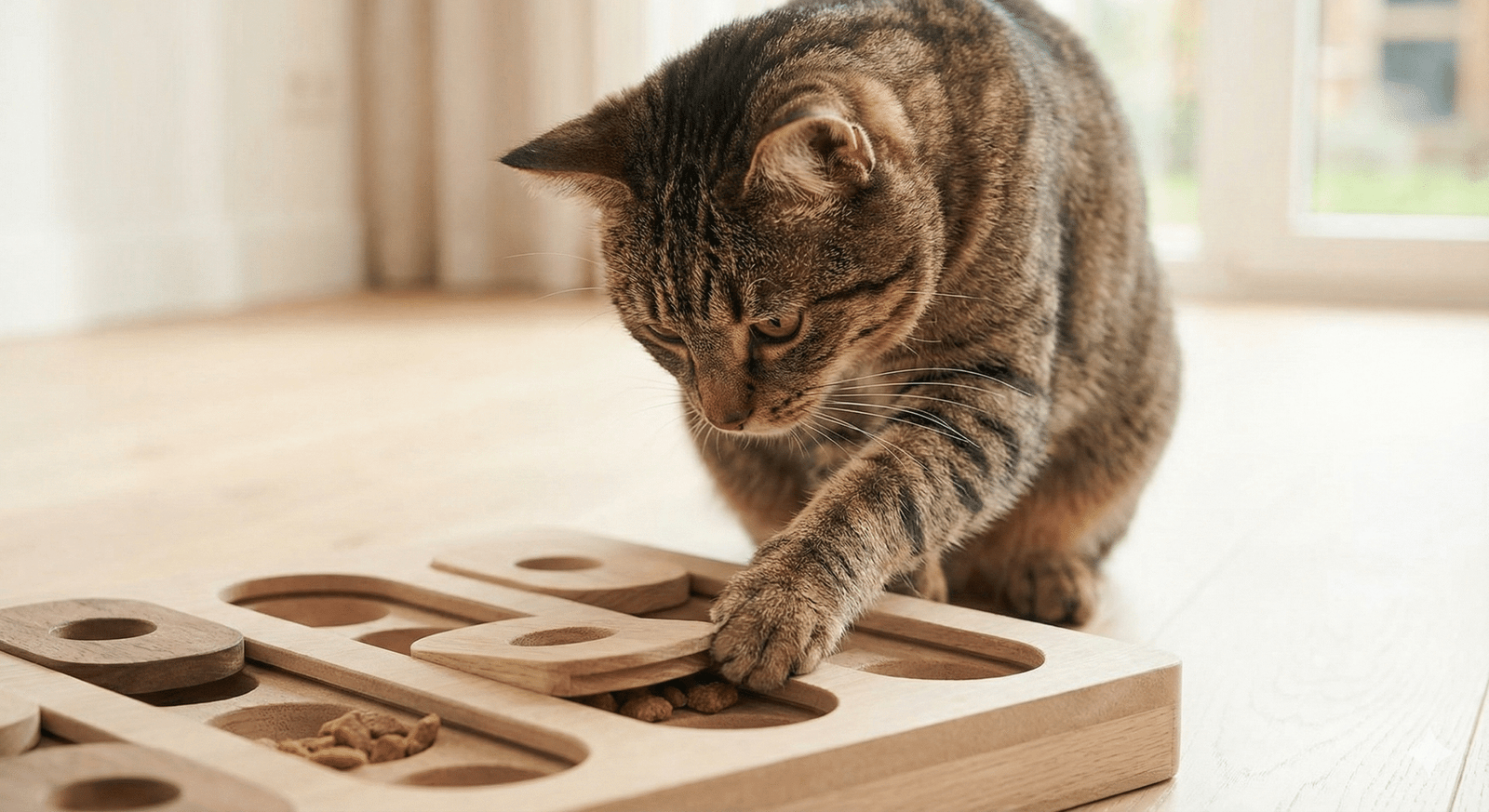
In nature, cats work for every calorie. In the home, free-feeding (leaving a full bowl out) is a missed opportunity for enrichment.
-
Puzzle Feeders: Devices that require the cat to bat, slide, or roll to release kibble.
-
Foraging Mats: Fabric mats that hide dry food, encouraging the cat to sniff and dig.
-
Hide and Seek: Hide small portions of wet food in different rooms to encourage your cat to “hunt” for their dinner.
4. Scent Enrichment: The Forgotten Sense
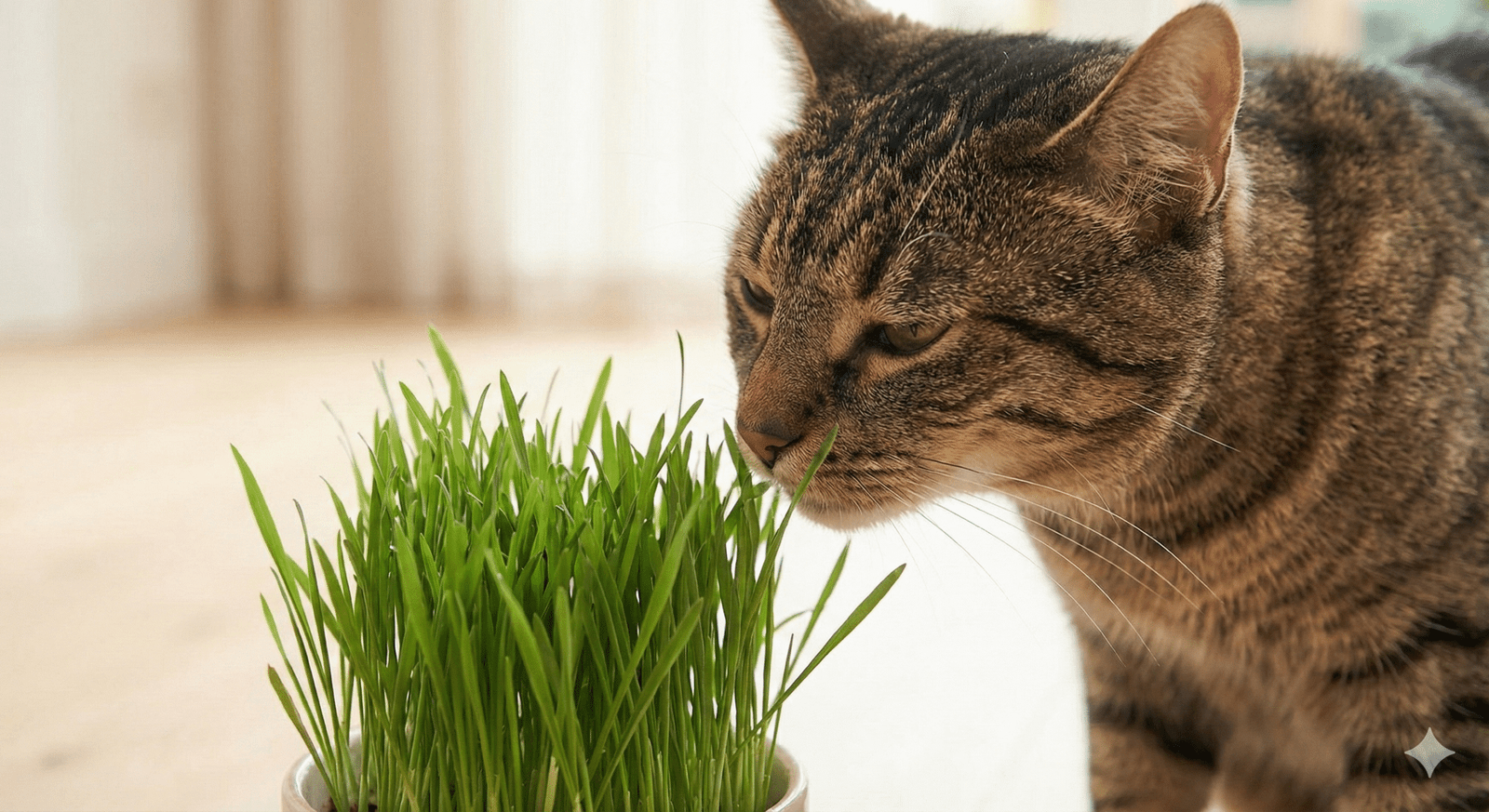
Most owners focus on visual toys, but cats live in a world of smell. Indoor homes are often “scent-neutral,” which is boring for a feline.
-
Bring the Outdoors In: Occasionally bring in a pinecone, a non-toxic leaf, or a log from the garden. These items carry complex scents that your cat will spend minutes analysing.
-
Herbs: Silvervine, Valerian root, and Catnip are excellent olfactory stimulants.
-
Safety First: Ensure any plant material is non-toxic. Avoid lilies at all costs.
5. Safe Zones and Hiding Spots
Enrichment isn’t just about activity; it’s about security. Every indoor cat needs a place to retreat when things get loud.
-
Cardboard Boxes: The classic option. They provide a safe, enclosed barrier.
-
Tunnels: Great for running through and hiding in.
Creating a Cat-Friendly Environment
When implementing environmental enrichment for indoor cats, consider the safety of the setup.
-
Cat-Safe Plants: Replace toxic flora with Spider Plants or Cat Grass.
-
Scratching Posts: Place sturdy posts near sleeping areas and main thoroughfares. Scratching is a territorial marker, not just a way to sharpen claws.
-
High Energy Breeds: If you own an active breed like the Peterbald or Bengal, standard play won’t be enough. You may need cat wheels or agility training.
Common Mistakes to Avoid
Despite best intentions, owners often stumble in these areas:
-
Overstimulation: Introduce one new toy at a time. A room cluttered with 50 toys is overwhelming, not enriching.
-
The “Dead Prey” Syndrome: Leaving toys lying on the floor makes them boring. Prey doesn’t voluntarily lay in the middle of the carpet. Put toys away after play sessions to keep them novel.
-
Ignoring Socialisation: Playtime is a bonding activity. Don’t rely solely on automatic battery-operated toys.
-
Lack of Preparation: Always be ready for accidents. Even in a perfect environment, issues happen. Keep a Cat Emergency Kit handy.
Conclusion
Environmental enrichment for indoor cats is not a luxury—it is a necessity for a species designed to hunt and patrol. By incorporating vertical space, scent work, and puzzle feeding into your daily routine, you can significantly improve your pet’s quality of life. A bored cat is a stressed cat, but an enriched cat is a happy, healthy companion.
FAQs about Environmental Enrichment for Indoor Cats
What is environmental enrichment for indoor cats? It refers to modifications made to a cat’s living space—like adding climbing structures, puzzle feeders, and scent games—to improve their physical and mental health.
Why is it important? It prevents obesity, reduces destructive behavior (like scratching furniture), and alleviates stress and anxiety.
How do I fix “laser pointer frustration”? Always end the game by letting your cat catch a physical toy or a treat. This gives them the satisfaction of the “kill” that the laser dot cannot provide.
What is Scent Enrichment? This involves introducing new smells to your cat’s environment, such as cat-safe herbs (silvervine) or natural objects like rocks and logs from outside, to stimulate their powerful sense of smell.
Can I use external resources for ideas? Yes, reputable organisations like Cats Protection and the ASPCA provide excellent DIY ideas for enrichment.
How much playtime does my cat need? Aim for at least two 15-minute sessions of interactive play per day, ideally right before meals to mimic the “hunt-eat-sleep” cycle.