
Choosing the right cat bed is crucial for the comfort, health, and happiness of your feline friend. Considering that the average cat sleeps between 12 to 16 hours a day—and senior cats even longer—the quality of their resting place has a direct impact on their quality of life. With so many options available, from plush donuts to high-tech heated pads, it can be overwhelming to decide which type will suit your pet best.
In this comprehensive guide, we’ll explore the science of cat sleep, analyze materials, styles, and features, and provide specific recommendations to help you make an informed choice that matches your cat’s unique personality.
The Science of Sleep: Why the Bed Matters
To understand the importance of choosing the right cat bed, we must first understand how cats sleep. Unlike humans, cats are crepuscular (most active at dawn and dusk) and spend the majority of their day in a state of light sleep, ready to spring into action. However, they also require periods of deep REM sleep for mental and physical restoration.
A bed that offers the wrong temperature or insufficient security can prevent your cat from entering these vital deep sleep cycles. A stressed cat is a sleepless cat, which can lead to behavioral issues. Providing a dedicated space that mimics their natural instincts—whether that’s perching high up or burrowing underground—is essential for their wellbeing.
Understanding Your Cat’s Needs Before Choosing the Right Cat Bed
Before selecting a cat bed, it’s important to profile your cat. Cats are creatures of comfort and can be notoriously picky. Factors to consider include:
-
Age: Kittens often need secure, warm nests that mimic the feeling of their mother, while senior cats require easy access and orthopedic support.
-
Health: Cats with arthritis, hip dysplasia, or other medical conditions benefit immensely from supportive memory foam that doesn’t put pressure on their joints.
-
Personality: Does your cat hide when strangers visit, or do they sprawl out in the center of the room? Anxious cats often prefer enclosed spaces to feel guarded, while confident cats enjoy open beds.
-
Lifestyle: If you are deciding between keeping your pet inside or letting them roam, check out our guide on Indoor vs Outdoor Cats to understand how their environment impacts their sleeping habits. Outdoor cats may need warmer, more durable bedding to recover from their adventures.
Types of Cat Beds: Which One is Right?
When choosing the right cat bed, familiarizing yourself with the various types can lead to better decisions. Here is an expanded look at the most popular categories:
1. Elevated Beds and Cat Trees
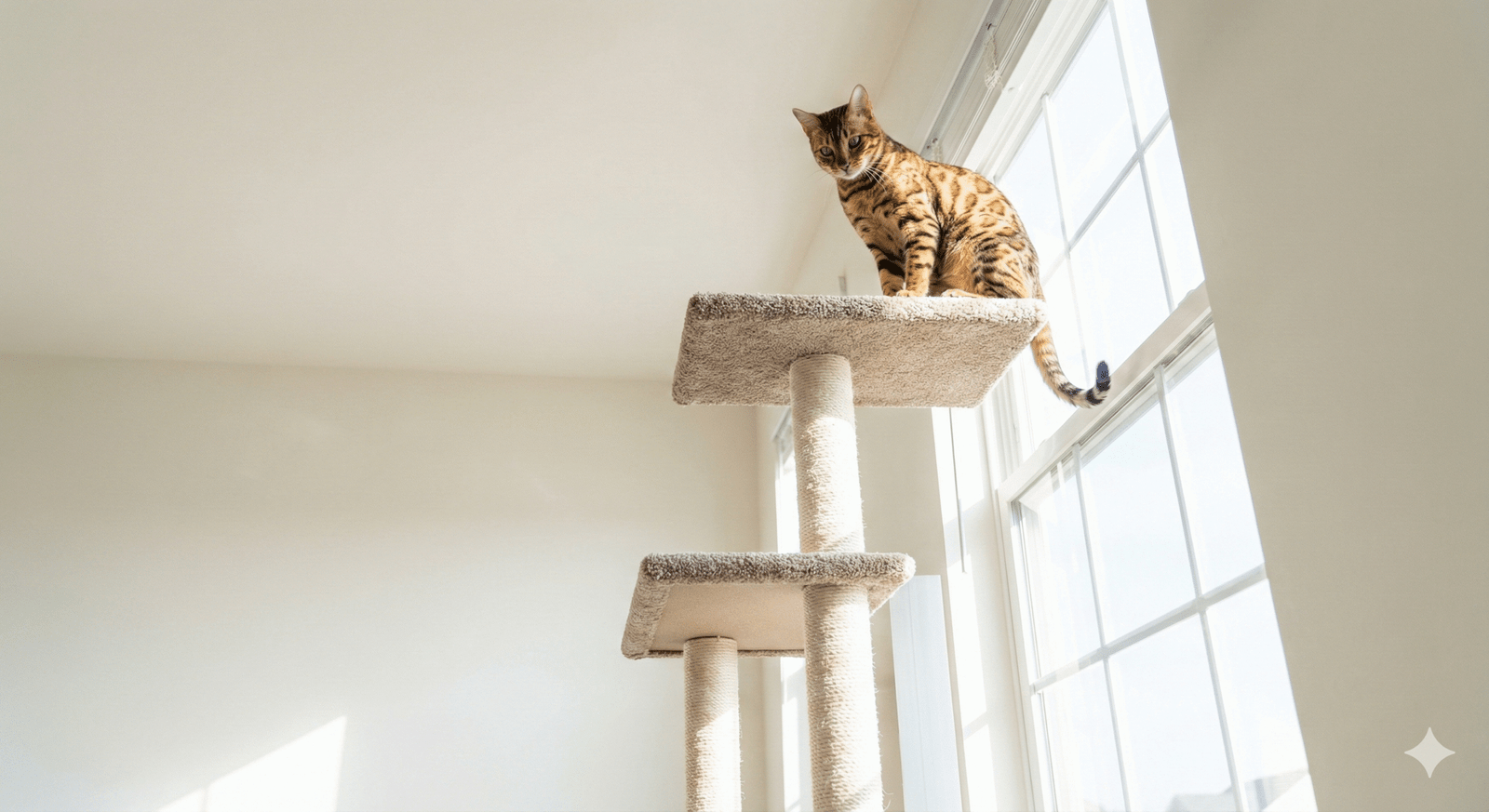
Often overlooked in standard “bed” guides, vertical space is vital for felines. In the wild, high vantage points protect cats from predators. A designated platform on a sturdy cat tree or a window perch often becomes a cat’s primary bed. This is especially true for active, athletic breeds like the Turkish Van or the Savannah.
2. Enclosed Cat Beds (Caves and Igloos)
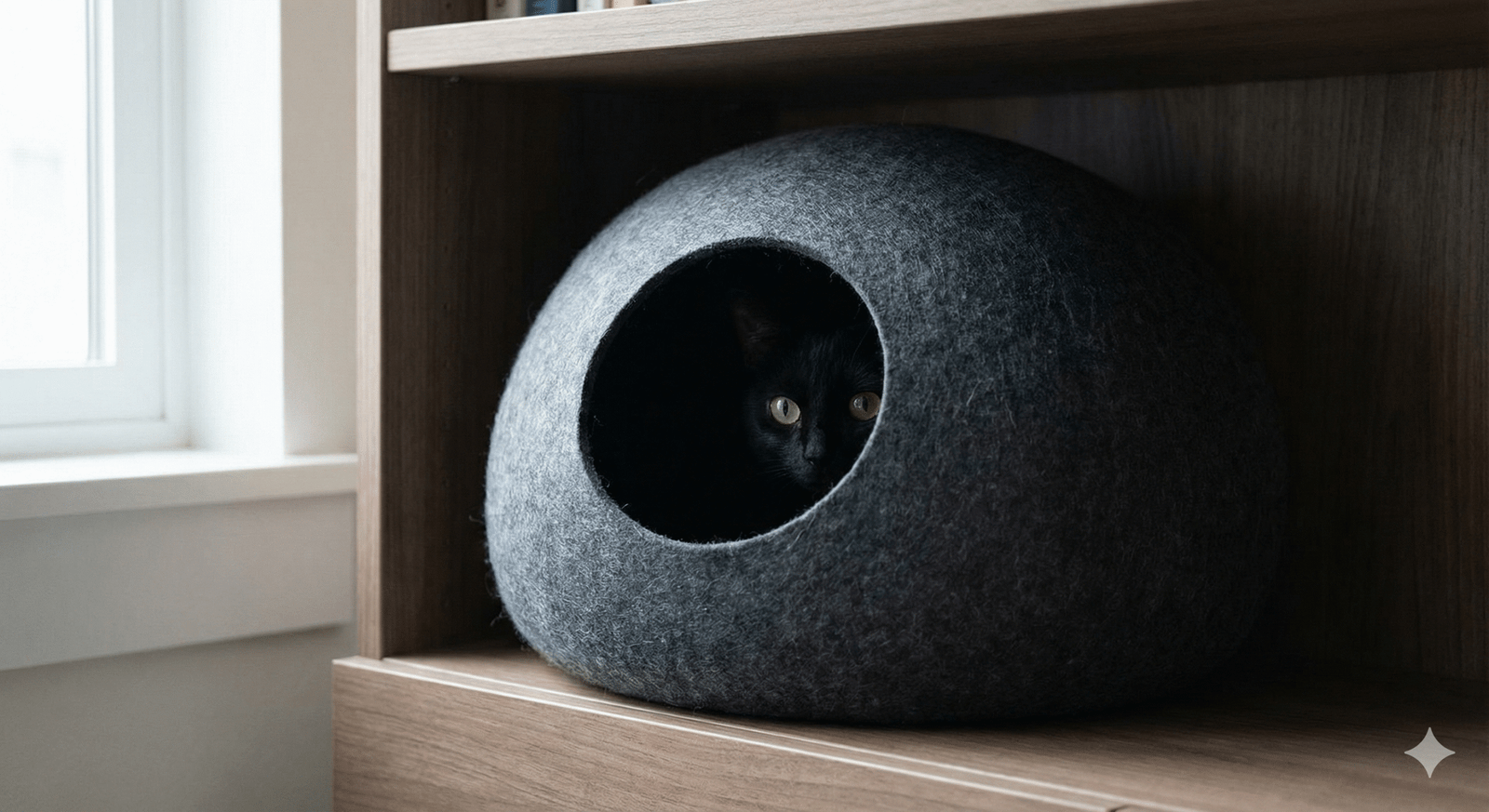
Enclosed cat beds, or “cat caves,” offer a sense of security and warmth. They are perfect for cats that prefer to curl up in tight spaces or burrow under blankets. If your cat tends to hide when stressed, a cave bed provides a safe retreat where they can decompress.
3. Heated Cat Beds
For cats that always seek out the warmest spot in the house (like your laptop or a sunbeam), heated beds are a wonderful option.
-
Electric: These plug in and maintain a low, safe temperature.
-
Self-Warming: These use Mylar-like reflective materials to radiate the cat’s own body heat back to them. These are excellent for keeping pets snug during colder months or soothing stiff joints in older cats.
4. Orthopedic Cat Beds
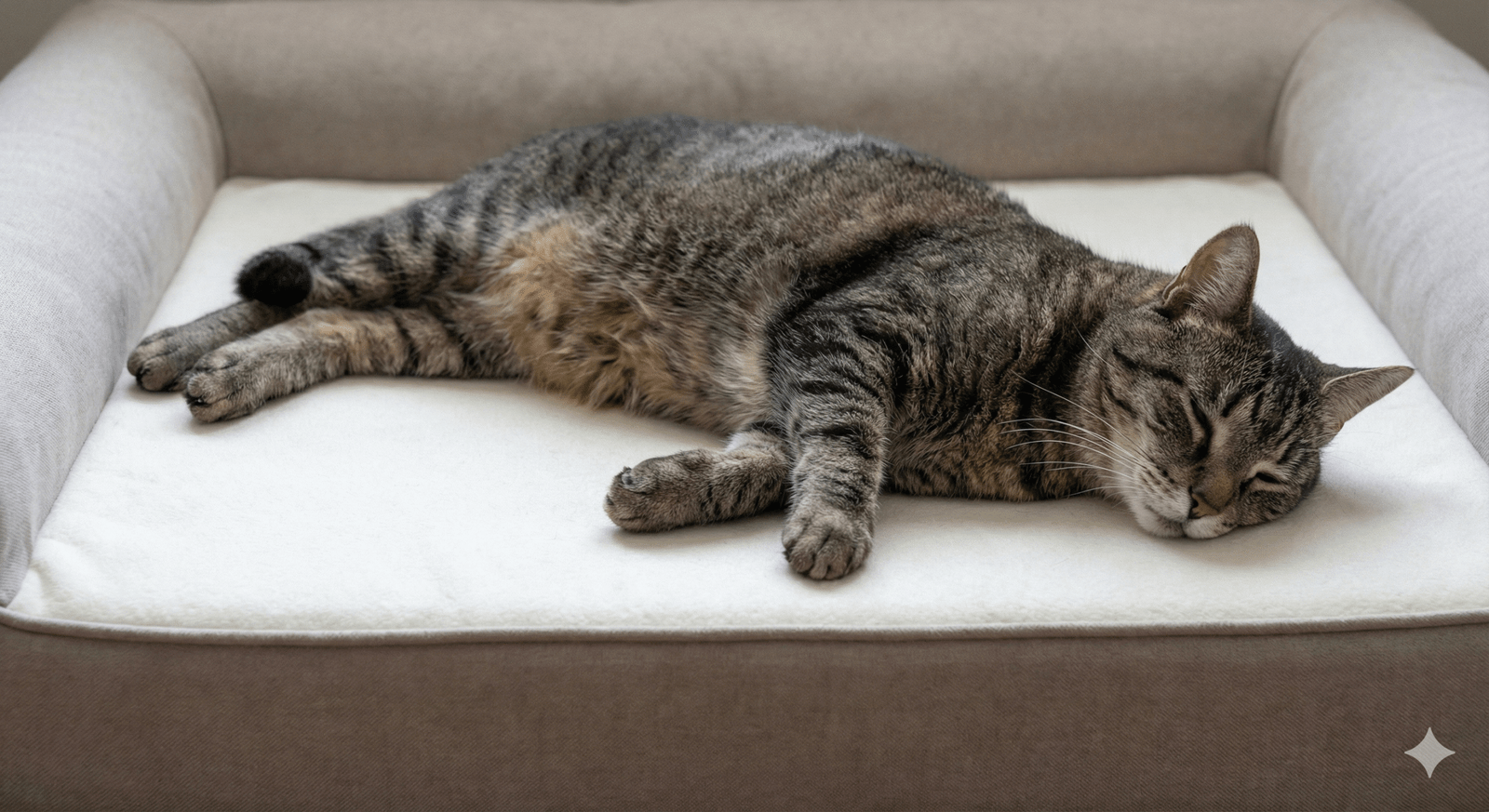
For older cats or those with joint issues, an orthopedic cat bed offers extra support. Typically made with high-density memory foam (similar to human mattresses), these beds distribute weight evenly. For more on caring for aging joints and pain management, the Cornell Feline Health Center offers excellent resources on senior cat care.
5. Radiator Beds
Popular in colder climates, these beds hook over a standard radiator, allowing the cat to sleep directly against a heat source. This is often the “throne” of choice for heat-seeking cats in winter.
6. The “Cardboard Compromise”
It is a running joke that you buy a $50 bed and the cat sleeps in the box. If your cat loves boxes, you can legitimize this by buying “box beds”—cardboard scratcher beds shaped like sofas or lounges. They provide the texture cats love with a slightly more aesthetic appeal.
Breed-Specific Considerations
When choosing the right cat bed, your cat’s breed can offer clues to their preferences.
-
Hairless Breeds (Sphynx, Peterbald): Lacking a fur coat, these cats struggle to regulate body temperature. They almost always require heated beds, deep enclosed caves, or fleece-lined sacks. Learn more about the specific needs of these unique cats in our Peterbald Breed Guide.
-
Large Breeds (Maine Coon, Ragdoll): These gentle giants often overflow standard cat beds. They require large, open beds (often dog-sized) or heavy-duty cat trees that can support their weight without wobbling.
-
Thick-Coated Breeds (Persian, Siberian): These cats can overheat easily. They may prefer elevated cots (hammock style) that allow airflow underneath them, rather than plush, heat-trapping donuts.
Materials to Consider
The materials used in cat beds greatly affect comfort, durability, and temperature regulation.
-
Fleece/Sherpa: Soft and warm, fleece is the industry standard for keeping pets cosy in winter. It mimics the texture of mother cats.
-
Cotton/Canvas: Breathable and natural, cotton is a great choice for warmer climates. See our Cat Cooling Tips for more ways to keep your pet comfortable during heatwaves.
-
Polyester/Microfiber: Durable and often stain-resistant, these synthetic fabrics are practical for messy eaters or hairballs.
-
Memory Foam: Essential for support. Ensure the foam is thick enough that your cat doesn’t sink through to the hard floor.
Size Matters: The Truth About Dog Beds for Cats
A common question when choosing the right cat bed is whether you can use a dog bed. The answer is yes.
In fact, many cats prefer “small dog beds” because they offer more room to stretch out than standard cat beds. There is rarely a functional difference between a bed marketed for a Chihuahua and one marketed for a Maine Coon.
-
The “Sprawl” Factor: If your cat likes to sleep stretched out fully (the “long cat” position), a dog bed might actually be the superior choice.
-
Multi-Cat Piles: A medium-sized dog bed is perfect for two bonded cats who like to sleep together (“cuddle puddles”).
How to size correctly: Measure your cat from nose to tail and add 4-6 inches. If in doubt, size up—no cat has ever complained about having too much room.
The Importance of Location Strategy
Choosing the right cat bed is only half the battle; where you put it matters just as much. You could buy the most expensive bed in the world, but if it is in a drafty hallway, your cat will ignore it.
-
Social vs. Solitary: Does your cat want to be in the middle of the family action, or hidden away? Most cats like a mix. Place one bed in the living room and another in a quiet bedroom.
-
Vertical Advantage: If you have dogs or toddlers, place the cat bed on a raised surface (like a dresser or wide shelf). This gives the cat a “safe zone” where they cannot be ambushed.
-
Sunny Spots: Cats are solar-powered nappers. Placing a bed near a window allows them to enjoy natural warmth. Read more about why this is vital in our article on Cats and Sunbathing.
Hygiene and Maintenance
A dirty bed can harbor flea larvae, dust mites, and dander, which can trigger allergies in both cats and humans.
-
Washable Covers: This is non-negotiable. Look for beds with removable, machine-washable covers.
-
Washing Frequency: Ideally, wash bedding every 1-2 weeks. Use a pet-safe, unscented detergent, as strong floral scents can be overpowering to a cat’s sensitive nose.
-
Replacement: Even the best beds wear out. If the stuffing has become lumpy or the foam has flattened, it’s time to replace it to ensure your cat is still getting adequate joint support.
Features to Look For
-
Non-Slip Bottom: Ensures stability when your cat jumps in or out, preventing the bed from sliding across wooden floors.
-
Portability: A portable bed or mat is ideal for travel. If you are training your cat for travel, a familiar bed can make the carrier less frightening. Check our Cat Emergency Kit guide for more on why familiar bedding is essential during transport.
-
Convertibility: Some beds can transform from a flat mat into a cave or tunnel, offering versatility for fickle felines.
How to Transition Your Cat to a New Bed
If you’ve bought the perfect bed but your cat is ignoring it in favor of the laundry pile, don’t panic.
-
Scent Transfer: Place an old blanket or a piece of your unwashed clothing in the new bed. Familiar scents signal “safety” and ownership.
-
Location: Place the new bed exactly where their old sleeping spot was.
-
Positive Reinforcement: Place treats or catnip in the bed to create a positive association.
-
Patience: It may take weeks for a cat to accept a new piece of furniture. Never force your cat into the bed, as this will create a negative association.
Conclusion
Choosing the right cat bed is a key aspect of ensuring your cat’s comfort and overall wellbeing. It is an investment in their health, protecting their joints as they age and providing them with a sanctuary from the stress of the world. By considering factors such as type, material, size, and location, you can select a resting place that your pet will actually use.
Remember, every cat is unique—some want a high castle, others want a warm cave. Take the time to observe your furry friend’s preferences to find the perfect match.
FAQs about Choosing the Right Cat Bed
What is the best material for a cat bed? The best material varies by season and preference. Fleece is excellent for warmth, while cotton is breathable for summer. For support, high-density memory foam is the gold standard.
How often should I wash my cat’s bed? Ideally, wash bedding every 1-2 weeks to reduce allergens, dust mites, and flea eggs. If your cat sheds heavily, you may need to wash it more frequently.
Can I use a dog bed for my cat? Absolutely. Small or medium dog beds are often spacious and comfortable for cats, especially for larger breeds or cats that like to stretch out.
How do I encourage my cat to use their new bed? Use scent to your advantage. Rub the bed with a cloth that smells like your cat, or sprinkle a little catnip inside. Place the bed in a spot your cat already likes to sleep.
Is it necessary for my cat to have a bed? While cats can sleep anywhere, a designated bed provides proper orthopedic support and a sense of territorial security that a sofa cannot offer.
Where can I find more information on cat health? For general health inquiries, we recommend consulting the ASPCA or International Cat Care. For behavior issues like excessive vocalisation which might indicate stress or discomfort, check our guide on Understanding Cat Meowing.